

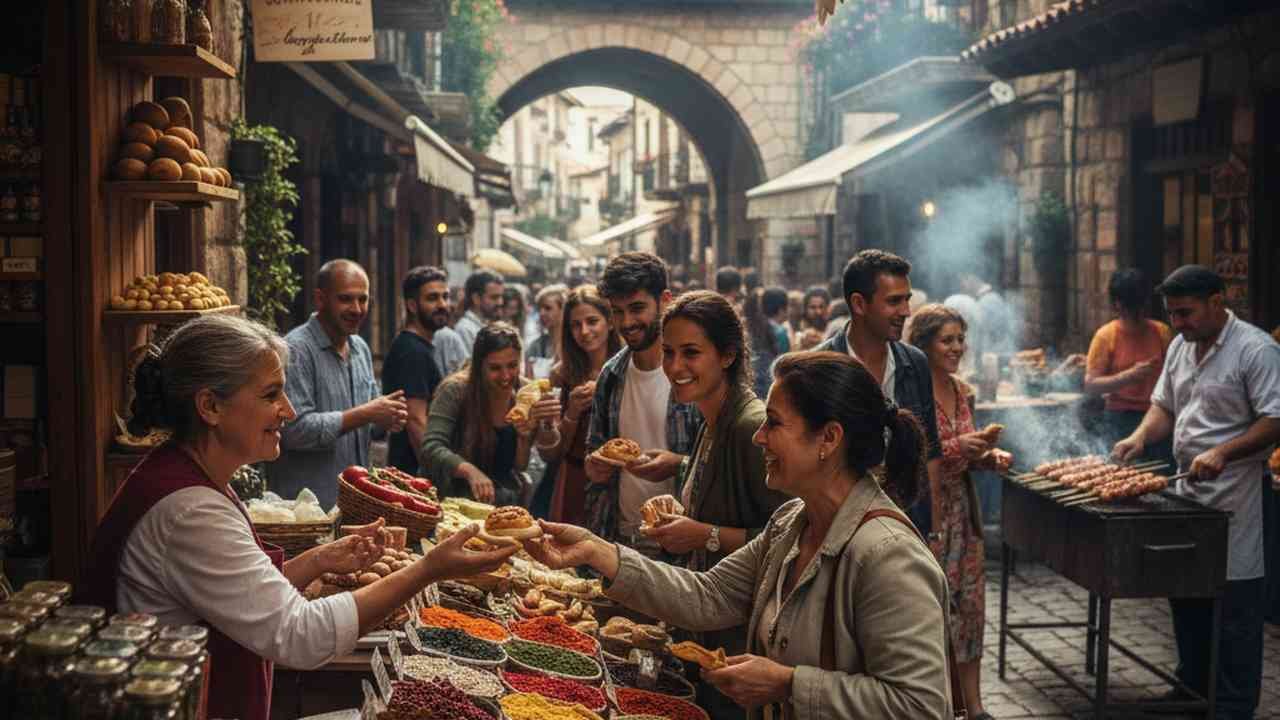
Imagine stepping into a bustling street market, the air thick with the aroma of sizzling spices and freshly baked bread. The vibrant colors of fruits and vegetables catch your eye as local vendors call out their wares. This isn’t just a scene; it’s an invitation to immerse yourself in the heart of a community’s culinary and cultural soul. To truly experience a destination, you must go beyond the tourist spots and delve into the authentic flavors and traditions that define it. Here are the best tips to help you do just that.
1. Seek Out Local Eateries Over Tourist Traps
While it might be tempting to dine at restaurants that cater to tourists, the real culinary treasures lie in the local eateries. These establishments often serve dishes passed down through generations, offering a taste of authentic regional cuisine. The ambiance is unpretentious, the service warm, and the flavors unparalleled. Whether it’s a family-run diner or a street food stall, these places provide a genuine glimpse into the daily life and traditions of the area. Engaging with the locals here can lead to memorable conversations and insider tips on other must-visit spots.
2. Participate in Cooking Classes
What better way to understand a culture than by learning to cook its traditional dishes? Many destinations offer cooking classes where you can get hands-on experience in preparing local specialties. These classes often begin with a visit to the local market, where you’ll select fresh ingredients and learn about their cultural significance. Back in the kitchen, under the guidance of skilled chefs, you’ll master the techniques behind beloved recipes. Not only will you gain culinary skills, but you’ll also take home a deeper appreciation for the culture’s food traditions.
3. Attend Cultural Festivals and Food Events
Cultural festivals and food events are windows into a community’s soul. They showcase traditional music, dance, crafts, and, of course, food. Attending these events allows you to experience the vibrancy of a culture in a single day. You can sample a variety of dishes, watch live performances, and interact with artisans and performers. These gatherings are often held during significant cultural or religious celebrations, offering insights into the values and history of the community. Participating in such events ensures you’re not just a visitor but a part of the living culture.
4. Stay with Local Hosts
Opting to stay with local hosts, whether through homestays or guesthouses, can enrich your travel experience. Living with locals provides a unique opportunity to observe daily routines, share meals, and engage in meaningful conversations. Hosts often share stories about the area’s history, traditions, and hidden gems. This immersive experience fosters a deeper connection to the place and its people, allowing you to see beyond the surface and understand the nuances of local life.
5. Explore Rural Areas and Small Villages
While cities offer a glimpse into modern life, rural areas and small villages hold the keys to traditional ways of living. Here, time seems to slow down, and customs are preserved with pride. Visiting these areas allows you to witness age-old agricultural practices, traditional crafts, and authentic culinary techniques. The simplicity and authenticity of rural life provide a stark contrast to urban environments, offering a refreshing perspective on culture and community.
6. Learn the Language Basics
Even a basic understanding of the local language can significantly enhance your travel experience. Greeting someone in their native tongue or asking about a dish shows respect and interest in their culture. Locals often appreciate the effort and are more inclined to share insights, recommend places, or even invite you to join in activities. Language is a bridge that connects hearts and opens doors to authentic experiences that might otherwise remain closed.
7. Visit Local Markets
Local markets are the lifeblood of a community. They are where people gather to buy fresh produce, spices, meats, and handmade goods. Walking through these markets allows you to see the diversity of ingredients that define a cuisine. The sights, sounds, and smells are a sensory overload in the best way possible. Engaging with vendors can lead to discovering unique products and learning about their uses in traditional dishes. Markets also offer a chance to observe daily life and interact with locals in a relaxed setting.
8. Respect Local Customs and Etiquette
Understanding and respecting local customs and etiquette is crucial when immersing yourself in a new culture. Each community has its own set of traditions, taboos, and social norms. Being aware of these can prevent unintentional offenses and show your genuine interest in the culture. Whether it’s the way you greet someone, dress, or behave at a meal, small gestures of respect can go a long way in building trust and rapport with locals.
9. Support Sustainable and Ethical Tourism
As travelers, it’s essential to consider the impact of our actions on the destinations we visit. Supporting sustainable and ethical tourism ensures that the cultural and environmental integrity of a place is preserved for future generations. This includes choosing eco-friendly accommodations, supporting local artisans, and being mindful of waste. By making conscious choices, you contribute to the well-being of the community and the preservation of its traditions.
Embarking on a journey to experience local food and culture authentically is not just about tasting new dishes or visiting landmarks; it’s about connecting with the heart of a community. By following these tips, you open yourself up to experiences that are rich, meaningful, and unforgettable. So, pack your bags, open your mind, and let the world unfold its flavors and stories before you.