

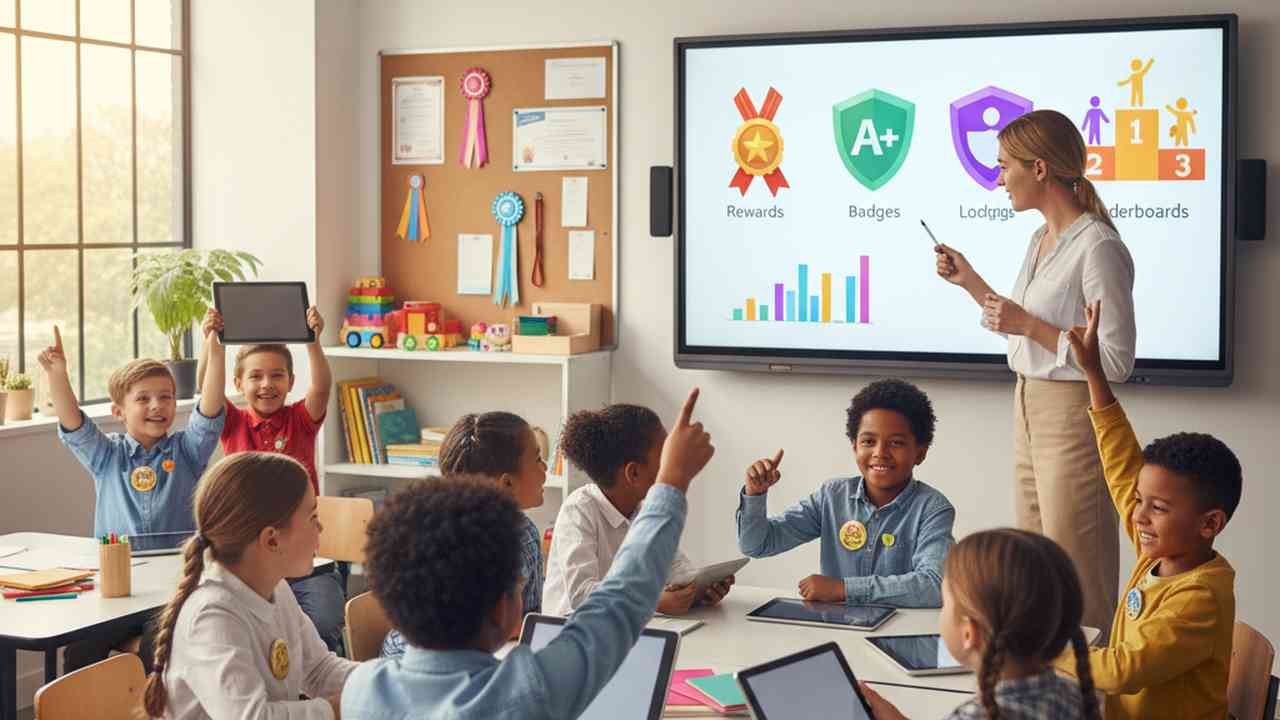
The Power of Rewards in Education: Why They Work
Every teacher knows that motivation is key to student success. But what if the secret to unlocking that motivation lies in something as simple as a reward? Imagine this: A student’s eyes light up as they receive a shiny, gold star for completing a task. This isn’t just any star – it’s a symbol of achievement, a tiny trophy that tells them, “You did it!” Rewards have long been a staple in classrooms, but their true power is just starting to be understood. When students are motivated by rewards, they become more engaged, more excited to learn, and less likely to give up when faced with challenges. But it’s not just about the reward itself; it’s about the feeling of accomplishment, the recognition, and the desire to continue striving for success. Teachers who understand how to use rewards effectively can harness this power to push their students further than ever before.
Consider a scenario where a teacher uses a reward system as part of their classroom structure. Each student who achieves a particular milestone – whether it’s completing a project, answering a certain number of questions correctly, or simply improving in a subject – earns a reward. These can range from something small, like a sticker or certificate, to something more impactful, like a special privilege or extra recess time. By setting clear goals and linking them to tangible rewards, students can better understand what’s expected of them and feel a sense of pride when they succeed. It’s a win-win: the students feel rewarded, and the teacher sees higher levels of engagement and effort in the classroom. It’s simple, effective, and incredibly powerful.
Badges: Turning Learning Into an Achievement Game
Badges are a game-changer when it comes to motivating students. They offer a visible, lasting representation of a student’s progress and achievements, turning learning into a game where every success counts. Badges can be awarded for a variety of accomplishments, from mastering a particular skill to consistently participating in class discussions. The beauty of badges lies in their tangible nature; they don’t just fade away like a fleeting compliment. Instead, they are proudly displayed on a student’s wall, a symbol of their hard work and perseverance.
Imagine a classroom where students proudly wear their badges like a badge of honor – both literally and figuratively. Each badge tells a story of progress, of challenges faced and conquered. This form of recognition provides more than just a sense of accomplishment. It sparks a competitive spirit among students, motivating them to earn more badges, to achieve more. As students accumulate badges, they gain a sense of personal pride and satisfaction, knowing that each one represents a victory in their learning journey. This visual aspect of achievement is especially powerful for younger learners, who thrive on tangible recognition. Badges not only motivate students to keep going but also create an environment where success is celebrated in a fun, interactive way.
Leaderboards: Fueling the Competitive Spirit
Leaderboards in education aren’t just for showing off the “best” students – they are a tool that can inspire every student to reach higher, strive harder, and stay engaged. It’s the feeling of competition that drives students to push beyond their comfort zones. When students see their names on a leaderboard, there’s a surge of motivation to keep climbing. They don’t want to be left behind. It’s this natural, primal instinct to compete that fuels the drive to perform better.
For teachers, leaderboards are an invaluable tool in creating an environment of healthy competition. Whether it’s a leaderboard for quiz scores, class participation, or even behavior points, leaderboards spark a desire to perform. But they also teach important life skills: persistence, resilience, and the ability to bounce back after a setback. Just like in real-life competitions, students may fall behind at times, but the leaderboard serves as a constant reminder that they can improve, they can climb back up. This continuous cycle of striving to improve can keep students engaged, excited, and focused on their learning goals. The pressure to “win” on the leaderboard pushes students to perform better while simultaneously creating a fun, dynamic classroom atmosphere.
Creating a Balanced System: Rewards, Badges, and Leaderboards Together
When rewards, badges, and leaderboards are used together, they create a powerful trifecta of motivation that drives students to succeed. The beauty of this system lies in its versatility. Each student is different, and different types of motivation work for different individuals. For some, the tangible reward of a prize may be enough to keep them moving forward. For others, the allure of a badge that they can proudly display will be the driving force. Still, others may find their motivation in the competitive rush of seeing their name on the leaderboard, eager to climb higher and achieve more.
But when these systems are combined, they offer a holistic approach to student motivation. Picture a classroom where rewards are handed out for specific milestones, badges are earned for consistent effort, and leaderboards reflect overall performance. This combination creates an environment that appeals to various learning styles and personalities, giving every student a chance to thrive. Students are constantly reminded that their hard work is being noticed, whether through the tactile satisfaction of receiving a reward, the pride of earning a badge, or the thrill of seeing their name on the leaderboard. The result? A classroom filled with engaged, motivated, and excited learners who are eager to achieve and succeed.
Real-Life Examples: How Schools Are Using Rewards, Badges, and Leaderboards
Across the world, teachers are successfully integrating rewards, badges, and leaderboards into their classrooms. One school in particular has transformed its approach to learning by implementing a points-based system where students earn points for completing assignments, participating in class discussions, and helping others. These points are tracked on a digital leaderboard, with the top performers receiving rewards such as homework passes or extra playtime. The badges earned for specific achievements are displayed on students’ profiles, and each student works toward earning the “Ultimate Achiever” badge by demonstrating excellence in multiple areas.
Another school in a large urban district has utilized badges in a highly interactive way. Instead of the typical paper badges, students earn digital badges that they can display on a custom online profile. These badges, ranging from “Math Master” to “Creative Genius,” have become a source of pride for students, and they are constantly motivated to earn more. The leaderboards at this school are integrated into the school’s website, so students can track their progress in real-time. Parents also have access to this information, which encourages positive reinforcement at home. Teachers report that this system has led to higher student engagement, a more positive classroom atmosphere, and improved overall academic performance.
The Psychological Impact of Rewards, Badges, and Leaderboards
The psychological impact of rewards, badges, and leaderboards is profound. These systems tap into students’ intrinsic motivations, triggering feelings of accomplishment, pride, and competition. Psychologically, students are motivated by the idea that their hard work is being recognized, and that recognition becomes a source of positive reinforcement. The more they are rewarded, the more they internalize the idea that effort equals success, and this mindset can spill over into other areas of their lives.
Badges, in particular, cater to the human need for recognition. When students earn badges, they don’t just get a physical token – they receive social acknowledgment. This acknowledgment validates their efforts and gives them the confidence to continue striving for more. Leaderboards provide a public arena for success, which motivates students who thrive on external validation. The visual nature of these systems makes success tangible and real. They create a sense of urgency: If a student wants to earn that next badge, rise to the top of the leaderboard, or receive a reward, they know they must work harder and faster.
Challenges and How to Overcome Them
While rewards, badges, and leaderboards are powerful tools, they are not without their challenges. One common issue is the risk of fostering unhealthy competition. In some cases, students may become too focused on outperforming others rather than improving their own skills. It’s important for teachers to foster a classroom environment where competition is healthy and emphasizes personal growth, not just being better than others. Clear communication about the purpose of the leaderboard and rewards system is key to preventing any feelings of inadequacy among students who might struggle to achieve the same level of success.
Another challenge is ensuring that the rewards and badges are meaningful and motivating for all students. A reward that excites one student may not have the same impact on another. Teachers need to be mindful of offering a variety of rewards to ensure that all students feel included and motivated. Additionally, the system must be fair and transparent. Students must clearly understand how rewards, badges, and leaderboards are earned, ensuring that there is no ambiguity or bias in the process. When done correctly, these systems will not only motivate students but also create an environment of equity and positive reinforcement.