

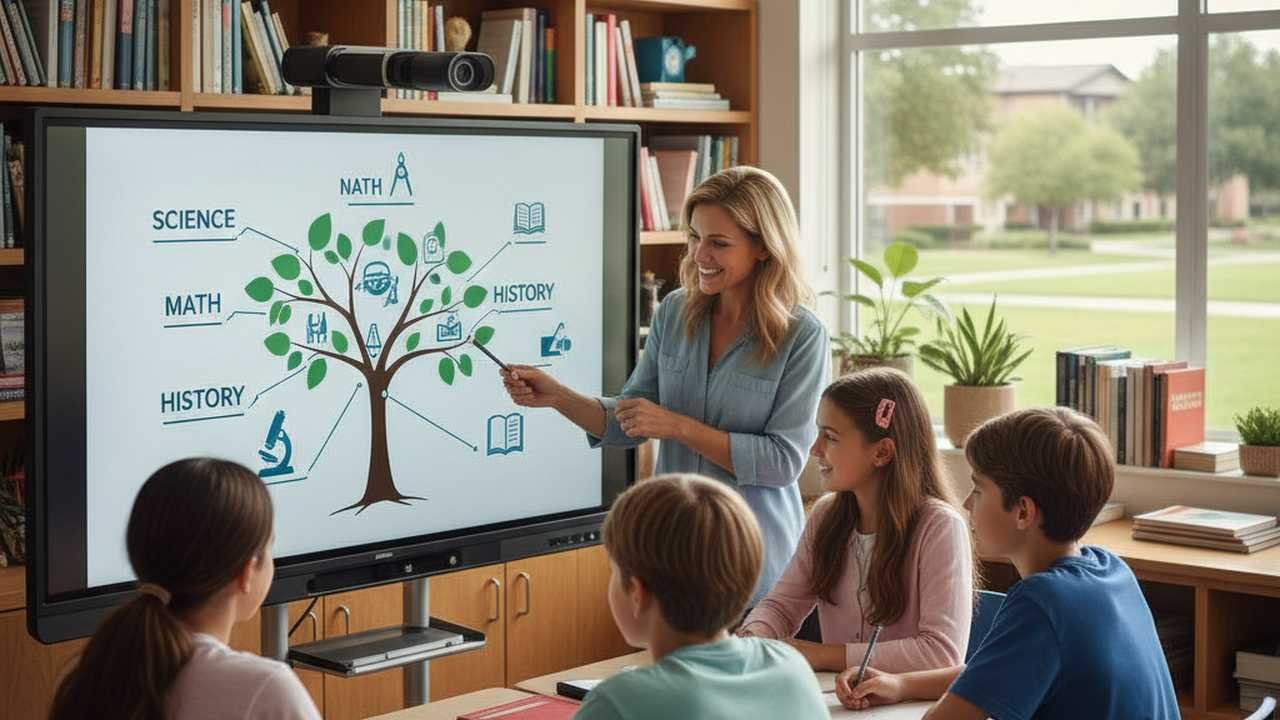
In the rapidly evolving landscape of modern education, traditional teaching methods are being challenged by innovative approaches that promise to revolutionize student engagement and comprehension. One such transformative strategy is the integration of cross-curricular learning, a method that intertwines multiple disciplines to provide students with a holistic understanding of complex concepts. This approach not only enriches the learning experience but also fosters critical thinking, creativity, and real-world application of knowledge. However, despite its proven benefits, many educational institutions have been slow to adopt this methodology, potentially hindering students’ academic growth and preparedness for future challenges.
The urgency to embrace cross-curricular learning has never been greater. As the world becomes increasingly interconnected, the ability to draw connections between various fields of study is paramount. Students who engage in cross-curricular learning develop a more comprehensive understanding of the world around them, enabling them to think critically and solve problems more effectively. Moreover, this approach caters to diverse learning styles, ensuring that all students have the opportunity to succeed. The question remains: will educational institutions continue to cling to outdated methods, or will they seize the opportunity to innovate and enhance student learning?
The Essence of Cross-Curricular Learning
At its core, cross-curricular learning involves the deliberate integration of content and skills from multiple disciplines to explore a central theme or concept. This approach encourages students to make connections between subjects, fostering a deeper understanding and appreciation of the material. For instance, a unit on environmental conservation might incorporate elements of science, geography, mathematics, and language arts, allowing students to examine the topic from various perspectives and disciplines.
The benefits of cross-curricular learning are manifold. It promotes critical thinking by challenging students to synthesize information from different sources and disciplines. It enhances creativity as students explore topics through various lenses, leading to innovative solutions and ideas. Additionally, it fosters collaboration and communication skills, as students often work in teams to tackle complex, interdisciplinary problems. The integration of cross-curricular learning into the curriculum is not merely an educational trend but a necessity for preparing students for the complexities of the modern world.
Real-World Applications and Success Stories
Across the globe, numerous educational institutions have embraced cross-curricular learning with remarkable success. For example, the British International School of Chicago has implemented a cross-curricular approach that connects subjects like science, technology, engineering, arts, and mathematics (STEAM) to real-world issues. This method has not only increased student engagement but also improved academic performance and problem-solving abilities.
Similarly, a study conducted in Slovenia examined the effects of integrating mathematics and science with experiential learning. The results indicated significant improvements in students’ understanding and retention of the material, highlighting the efficacy of cross-curricular integration in enhancing student learning outcomes.
These success stories underscore the potential of cross-curricular learning to transform education. However, the widespread adoption of this approach remains limited, and many students continue to miss out on its benefits. The question arises: how many more opportunities will be lost before educational institutions recognize the imperative to integrate cross-curricular learning into their curricula?
The Role of Educators in Facilitating Integration
Educators play a pivotal role in the successful implementation of cross-curricular learning. Their willingness to collaborate across disciplines, design integrated lessons, and foster an environment that encourages interdisciplinary thinking is crucial. Professional development programs that equip teachers with the skills and knowledge to implement cross-curricular strategies are essential for the widespread adoption of this approach.
Moreover, educators must be supported by school leadership and policymakers who prioritize innovative teaching methods and allocate resources accordingly. Without a concerted effort from all stakeholders, the integration of cross-curricular learning will remain an aspiration rather than a reality. The urgency to act is clear: the longer educational institutions delay embracing this approach, the greater the risk of falling behind in preparing students for the future.
Challenges and Barriers to Implementation
Despite its advantages, the implementation of cross-curricular learning is not without challenges. One significant barrier is the rigid structure of traditional curricula, which often compartmentalize subjects and limit opportunities for integration. Additionally, standardized testing and accountability measures can discourage educators from adopting interdisciplinary approaches, as the focus shifts to teaching to the test rather than fostering a comprehensive understanding of the material.
Furthermore, there may be a lack of resources and professional development opportunities to support teachers in implementing cross-curricular strategies. Overcoming these barriers requires a systemic change in educational policies and practices, as well as a shift in mindset towards valuing holistic, interdisciplinary learning experiences. The question remains: will the education system continue to uphold outdated structures, or will it evolve to meet the needs of 21st-century learners?
Strategies for Effective Cross-Curricular Integration
To effectively integrate cross-curricular learning, educators can employ several strategies. One approach is thematic teaching, where a central theme or concept is explored through the lens of multiple disciplines. This method allows students to make connections between subjects and see the relevance of their learning in real-world contexts.
Project-based learning is another effective strategy, where students work on a project that requires the application of knowledge and skills from various disciplines. This approach promotes collaboration, critical thinking, and problem-solving abilities, as students work together to achieve a common goal.
Additionally, the use of technology can facilitate cross-curricular integration by providing access to a wealth of resources and tools that support interdisciplinary learning. Online platforms, educational apps, and digital simulations can enhance student engagement and provide opportunities for exploration beyond the classroom.
Implementing these strategies requires careful planning and collaboration among educators. However, the benefits of cross-curricular learning make the effort worthwhile. The question is: how can educators and institutions overcome the challenges to implement these strategies and reap the rewards of integrated learning?
The Impact on Student Engagement and Motivation
Cross-curricular learning has a profound impact on student engagement and motivation. By connecting subjects to real-world issues and interests, students find greater relevance in their studies, leading to increased enthusiasm and participation. This approach also caters to diverse learning styles, ensuring that all students have the opportunity to succeed and feel valued in the learning process.
Moreover, the collaborative nature of cross-curricular projects fosters a sense of community and belonging among students. Working together towards a common goal builds relationships, enhances communication skills, and promotes a positive learning environment. The integration of cross-curricular learning not only enhances academic outcomes but also contributes to the development of well-rounded individuals prepared to navigate the complexities of the modern world.
Assessing the Effectiveness of Cross-Curricular Learning
Evaluating the effectiveness of cross-curricular learning requires a comprehensive approach that goes beyond traditional assessments. While standardized tests measure specific knowledge and skills, they may not capture the depth of understanding and critical thinking fostered by interdisciplinary learning.
Alternative assessment methods, such as portfolios, presentations, and reflective journals, can provide a more holistic view of student learning. These assessments allow students to demonstrate their ability to synthesize information, apply knowledge in real-world contexts, and reflect on their learning experiences.
Additionally, feedback from students, educators, and parents can offer valuable insights into the impact of cross-curricular learning on student engagement, motivation, and academic performance. Collecting and analyzing this data is essential for continuous improvement and ensuring that cross-curricular strategies are effectively meeting the needs of all students.
Future Directions and the Call to Action
The future of education lies in the integration of cross-curricular learning. As the world becomes more interconnected and complex, the ability to draw connections between various disciplines is essential for students to thrive. Educational institutions must embrace this approach to prepare students for the challenges and opportunities of the future.
However, the adoption of cross-curricular learning requires a collective effort from all stakeholders – educators, administrators, policymakers, and communities. It necessitates a shift in mindset towards valuing interdisciplinary learning, as well as the allocation of resources and support to facilitate its implementation.
The time to act is now. The longer educational institutions delay embracing cross-curricular learning, the greater the risk of students falling behind in an increasingly competitive and complex world. It is imperative that we seize the opportunity to transform education and provide students with the skills and knowledge they need to succeed.
If you want to enhance your skills in managing challenging classroom dynamics, exploring the strategies outlined in our article on Meta Title can significantly boost your confidence.
If you want to foster a culture of inquiry in your classroom, consider consulting with an Educational institution attorney to understand the legal frameworks that support innovative teaching practices.
If you want to inspire creativity in your classroom, consider partnering with educational toy wholesalers who can provide innovative tools that engage students and spark their imagination.
If you want to enhance your teaching methods, exploring techniques for promoting critical thinking across all learning areas, such as those implemented at the enloe education center, can be invaluable.