

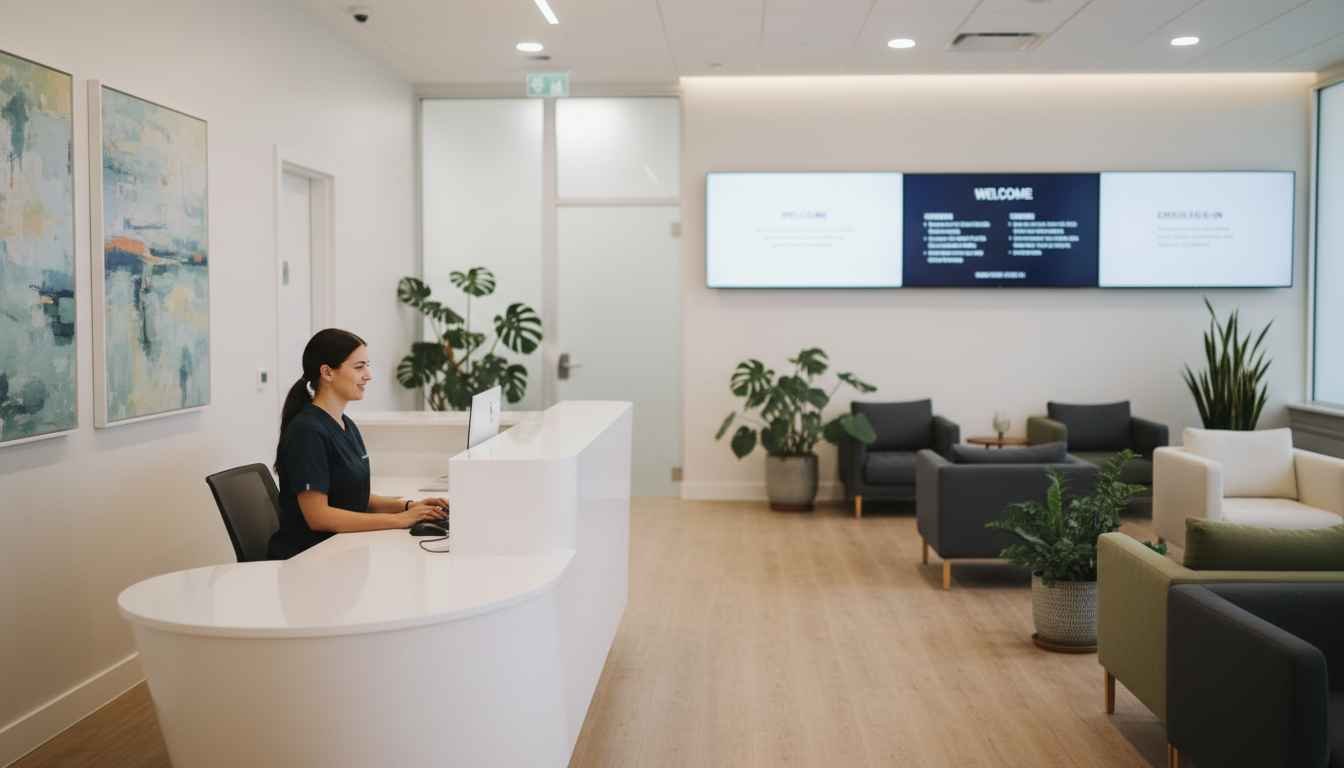
The simple answer is No, but creating a functional and aesthetically pleasing medical clinic interior is far more complex than simply choosing furniture and paint colors. The interior of a medical facility is a critical component of patient care, staff efficiency, and regulatory compliance. Every element, from lighting to flooring, must balance hygiene, comfort, and operational efficiency, all while staying within budget. Understanding the cost breakdown and design considerations is essential for administrators and planners who wish to optimize both the patient experience and the clinic’s financial viability.
When evaluating a medical clinic interior, the largest cost factor is often the structural and construction-related elements. This includes partition walls, plumbing for sinks and handwashing stations, and electrical systems capable of supporting advanced medical equipment. Structural renovations can range from $50 to $200 per square foot depending on the complexity of the design and the quality of materials selected. Clinics in urban areas typically face higher costs due to labor rates and permitting fees.
After the structural groundwork, interior finishes such as flooring, wall coverings, and ceiling systems represent another significant expenditure. Flooring options are usually dictated by sanitation requirements and durability. Vinyl and linoleum are common choices due to their ease of cleaning and resistance to microbial growth. Premium options such as terrazzo or antimicrobial-treated tiles increase upfront costs but may reduce long-term maintenance expenses. Wall finishes, including high-durability paints or panels, can cost between $3 and $15 per square foot, while suspended ceilings with integrated lighting can range from $6 to $12 per square foot. Proper lighting design not only affects visibility for clinical procedures but also impacts patient comfort and staff productivity.
Another substantial category is medical and office furniture. Reception desks, examination tables, patient seating, and storage units must meet both ergonomic and sanitation standards. High-quality modular furniture systems can cost anywhere from $500 to $2,000 per piece, depending on materials and customization. These investments enhance the patient experience by promoting comfort and reducing stress, particularly in waiting areas and examination rooms. Comfortable and intuitive design helps convey professionalism and care, which can influence patient satisfaction scores and clinic reputation.
Technology integration also represents a significant component of the interior budget. Clinics increasingly require networked computers, electronic medical records systems, digital imaging equipment, and telemedicine capabilities. Wiring, outlets, and secure data storage must be incorporated seamlessly into the interior layout. Costs for technology infrastructure can range from $20,000 to $100,000 for a small to mid-sized clinic. Adequate planning ensures that the facility can accommodate future technological upgrades without extensive renovations.
Patient flow and space allocation are crucial considerations that directly impact both clinical efficiency and patient comfort. Clinics designed without careful attention to workflow often experience congestion in waiting areas, longer patient turnover times, and increased staff stress. Investing in thoughtful interior layouts, including separate entry and exit points, strategically located exam rooms, and accessible restrooms, may initially raise costs by 10–20% but results in long-term operational savings. Proper signage, color schemes, and lighting strategies also contribute to intuitive navigation, reducing patient anxiety and improving the overall experience.
ECMC Hospital serves as an example of how high standards of interior planning contribute to patient care outcomes. Their facilities demonstrate how careful material selection, efficient layout design, and attention to aesthetic detail create a safe, welcoming, and efficient environment. Patients report reduced stress and increased confidence in their care, while staff experience improved workflow and reduced fatigue.
As the seasons change, so do the health concerns and wellness needs of our community. At the Jones Family Medical Clinic, we understand that each season brings its own set of challenges, from allergies in the spring to the flu season in winter. This article, “Jones Family Medical Clinic Seasonal Insight,” will explore how seasonal variations can impact your health and what preventative measures can be taken. By staying informed about these changes, you can better prepare yourself and your family for the months ahead. For more detailed insights and tips on seasonal health management, visit the jones family medical clinic website, where we provide comprehensive resources tailored to your needs.
As mental health awareness continues to grow, so does the need for accessible treatment options, particularly through services like Medicaid. Many individuals struggle to find the right care, often feeling overwhelmed by the complexities of insurance and healthcare systems. This is where medicaid online therapy emerges as a viable solution, offering a convenient and effective way to connect with licensed therapists. In this article, we will explore the latest scientific research that supports the effectiveness of online therapy under Medicaid, shedding light on its benefits, challenges, and how it is transforming the landscape of mental health care for millions. Understanding these insights is crucial for both practitioners and patients navigating this evolving field.
Specialized areas within the clinic, such as laboratories, imaging rooms, and procedure suites, require additional investment. Laboratory interiors must comply with safety regulations, including chemical-resistant surfaces, specialized ventilation, and secure storage for hazardous materials. Imaging suites, such as X-ray or MRI rooms, necessitate lead shielding, vibration control, and specific lighting conditions. Costs for these specialized interiors can range from $50,000 to $500,000 depending on the equipment and regulatory requirements.
Reception and waiting areas are more than just functional spaces; they set the tone for the patient experience. Comfortable seating, ambient lighting, artwork, and natural elements contribute to a calming environment, reducing perceived wait times and stress levels. While these elements may seem optional, they can cost $20,000–$100,000 in total for a mid-sized clinic, but their impact on patient satisfaction and retention is significant.
Sanitation and infection control are paramount in medical clinic interiors. Flooring and wall materials must withstand regular disinfection without degradation. HVAC systems require specialized filtration to maintain air quality, particularly in clinics that treat immunocompromised patients. Hand hygiene stations should be strategically placed throughout the facility. The upfront cost of investing in infection control-friendly materials and systems is typically offset by reduced risk of healthcare-associated infections and associated liability costs.
Furniture, equipment, and interior design choices also affect long-term maintenance expenses. Durable materials reduce the frequency of repairs and replacements. Modular furniture systems offer flexibility, allowing spaces to be reconfigured as clinical needs evolve. While these options may be more expensive initially, they provide cost efficiency over the lifecycle of the clinic.
Potential Drawbacks
Despite careful planning, there are potential drawbacks to investing heavily in medical clinic interiors. High upfront costs may strain budgets, particularly for smaller or community-based clinics. Over-customization can limit flexibility, making it difficult to adapt spaces for future changes in services or equipment. Additionally, aesthetic choices may not align with all patient demographics, requiring periodic updates or adjustments.
Another consideration is the balance between luxury and functionality. While premium finishes and designer furniture can create a polished appearance, they may not necessarily improve clinical outcomes. Decision-makers must prioritize materials and designs that enhance hygiene, patient comfort, and staff efficiency over purely decorative elements. Misalignment between design aspirations and functional needs can lead to wasted resources and operational inefficiencies.
In conclusion, the design and cost of a medical clinic interior encompass far more than superficial aesthetics. Structural considerations, finish materials, furniture, technology integration, workflow planning, and infection control measures all contribute to the total investment. While upfront costs can be substantial, careful planning and strategic investments result in improved patient experiences, staff efficiency, and long-term cost savings. By prioritizing both function and comfort, clinics can create environments that support excellent medical care while maintaining financial responsibility.