

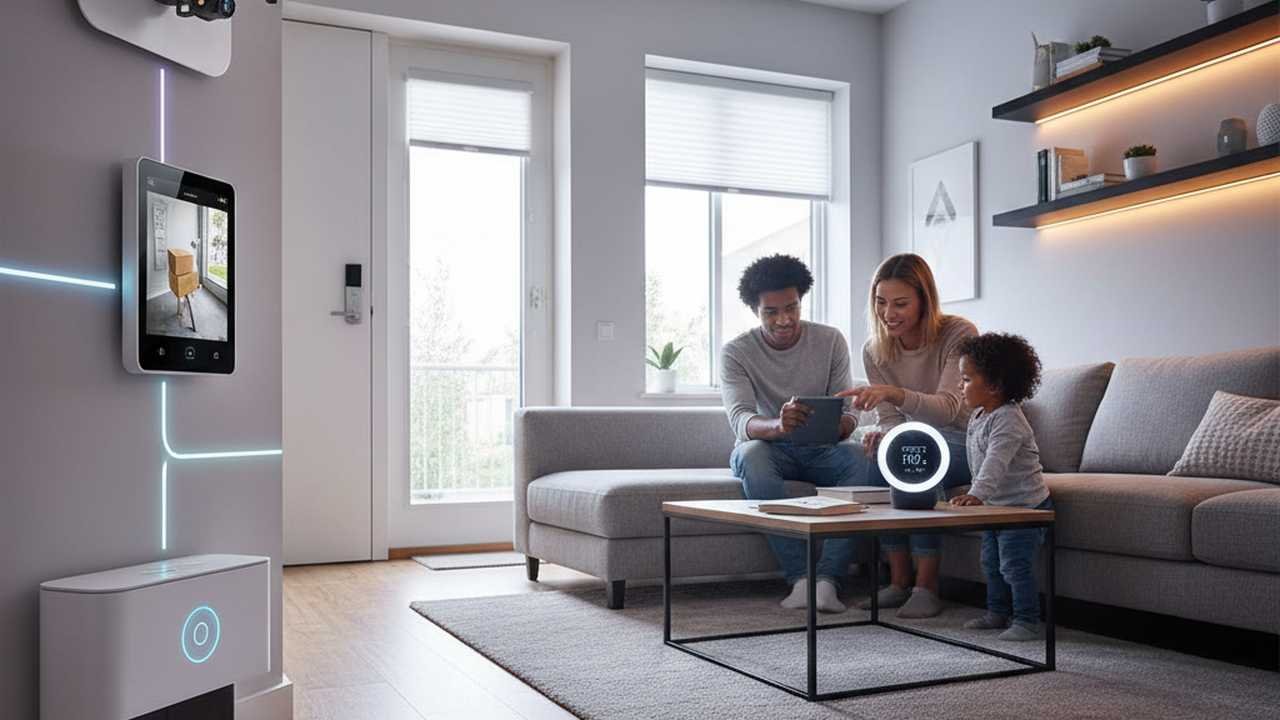
Imagine stepping into your home after a long day, and with a simple voice command, the lights brighten to your preferred setting, your favorite music fills the air, and the thermostat adjusts to the perfect temperature. This isn’t a scene from a futuristic movie – it’s the reality of today’s smart homes. As we delve into the world of smart home gadgets, you’ll discover how these innovations are not just about luxury but are transforming everyday living by enhancing convenience and safety.
The Rise of Smart Home Technology
Over the past decade, smart home technology has evolved from a niche market to a mainstream necessity. With the integration of the Internet of Things (IoT), everyday devices are becoming interconnected, allowing homeowners to control and monitor their environment remotely. This surge in popularity is driven by the desire for greater convenience, energy efficiency, and enhanced security. According to recent market analyses, the smart home industry is projected to reach a valuation of over $1 trillion by 2035, reflecting a compound annual growth rate of more than 20% from 2024 to 2035. This growth signifies a shift in consumer expectations, where homes are expected to be more responsive and adaptive to individual needs.
One of the key drivers behind this transformation is the development of AI-powered assistants like Amazon’s Alexa and Google’s Gemini. These systems have evolved from simple voice-activated tools to sophisticated platforms capable of understanding context, learning user preferences, and automating tasks without explicit commands. For instance, Gemini can now determine when children stay up past bedtime and even diagnose issues with household appliances like dishwashers. This level of integration offers a seamless living experience, where technology anticipates and responds to your needs, often before you even realize them yourself.
Enhancing Home Security with Smart Gadgets
Safety is a paramount concern for homeowners, and smart home technology is stepping up to address this need. Traditional security systems often rely on manual monitoring and delayed responses. In contrast, modern smart security devices offer real-time alerts, remote monitoring, and proactive threat detection. Smart cameras, doorbell cameras, and motion sensors can send instant notifications to your smartphone if unusual activity is detected, allowing you to take immediate action regardless of your location.
For example, the latest smart smoke alarms are designed to alert homeowners about potential fires even when they are not at home. These devices can send notifications to your phone and, in some cases, contact emergency services on your behalf. Similarly, smart locks provide enhanced security by allowing homeowners to control access remotely, grant temporary access to guests, and monitor entry logs. This level of control and awareness significantly reduces the risk of unauthorized access and enhances overall home security.
Convenience at Your Fingertips
Beyond security, smart home gadgets are revolutionizing the way we interact with our living spaces. Smart lighting systems can adjust brightness and color based on the time of day or your activities, creating the perfect ambiance for any occasion. Voice-controlled assistants can manage your calendar, set reminders, and even order groceries, all through simple voice commands. Smart thermostats learn your schedule and preferences, adjusting temperatures to ensure comfort while optimizing energy usage.
Additionally, smart plugs and appliances offer unprecedented control over household devices. With a smart plug, you can turn off appliances remotely, set schedules, and monitor energy consumption, helping to reduce electricity bills and environmental impact. These conveniences not only make daily tasks more manageable but also contribute to a more sustainable and efficient home environment.
AI-Powered Personalization
The integration of artificial intelligence into smart home systems has taken personalization to new heights. AI algorithms analyze your behavior, preferences, and routines to tailor the home environment to your specific needs. For instance, lighting can automatically adjust to your preferred brightness and color temperature as you move through different rooms. Climate control systems can learn your comfort zones and adjust temperatures accordingly, ensuring a pleasant environment throughout the day.
Moreover, AI-powered assistants can manage complex routines, such as preparing your home for your arrival by adjusting lighting, temperature, and even starting your favorite playlist. This level of personalization not only enhances comfort but also creates a sense of harmony and efficiency within the home. As AI continues to evolve, the potential for even more intuitive and responsive smart home systems grows, promising a future where homes are seamlessly integrated into our daily lives.
Energy Efficiency and Sustainability
As concerns over environmental impact and energy consumption grow, smart home technology offers solutions to promote sustainability. Smart thermostats, lighting systems, and appliances are designed to optimize energy usage, reducing waste and lowering utility bills. These devices can learn your habits and adjust their operations to minimize energy consumption without sacrificing comfort or convenience.
For example, smart thermostats can detect when a room is unoccupied and adjust the temperature accordingly, preventing energy waste. Similarly, smart lighting systems can turn off lights in empty rooms or adjust brightness based on natural light levels. By integrating these smart devices into your home, you contribute to energy conservation efforts and reduce your carbon footprint, all while enjoying the benefits of a more efficient living space.
Seamless Integration Across Devices
One of the standout features of modern smart home technology is the seamless integration across various devices and platforms. Whether you’re using Amazon Alexa, Google Assistant, or Apple HomeKit, these systems work together to create a cohesive and unified smart home experience. Devices from different manufacturers can communicate and operate in harmony, allowing for a truly interconnected home environment.
This interoperability ensures that you can mix and match devices to suit your preferences and needs without worrying about compatibility issues. Whether it’s controlling your lights, adjusting the thermostat, or monitoring security cameras, you can manage all aspects of your home through a single interface, providing convenience and simplicity in your daily routines.
Future Trends in Smart Home Technology
The future of smart home technology is poised for even more exciting developments. Emerging trends include the integration of 5G connectivity, which promises faster and more reliable communication between devices, and the use of blockchain for enhanced security and privacy. Additionally, advancements in machine learning and AI will enable even more sophisticated automation and personalization, creating homes that are not only smart but also intuitive and adaptive.
As these technologies continue to evolve, homeowners can expect even greater levels of convenience, security, and efficiency. The vision of a fully automated, responsive home is becoming increasingly attainable, offering a glimpse into a future where technology works in harmony with our daily lives to enhance our living experiences.
Conclusion: Embrace the Future of Living
The integration of smart home gadgets into daily life is no longer a luxury but a necessity for those seeking enhanced convenience, security, and efficiency. From AI-powered assistants to energy-efficient devices, these innovations are transforming homes into intelligent, responsive environments that cater to our every need. As technology continues to advance, the possibilities for smart homes are limitless, promising a future where our living spaces are more connected, personalized, and sustainable than ever before.
Don’t miss out on the opportunity to upgrade your home with the latest smart technology. Embrace the future of living today and experience the benefits of a smarter, safer, and more efficient home environment.