

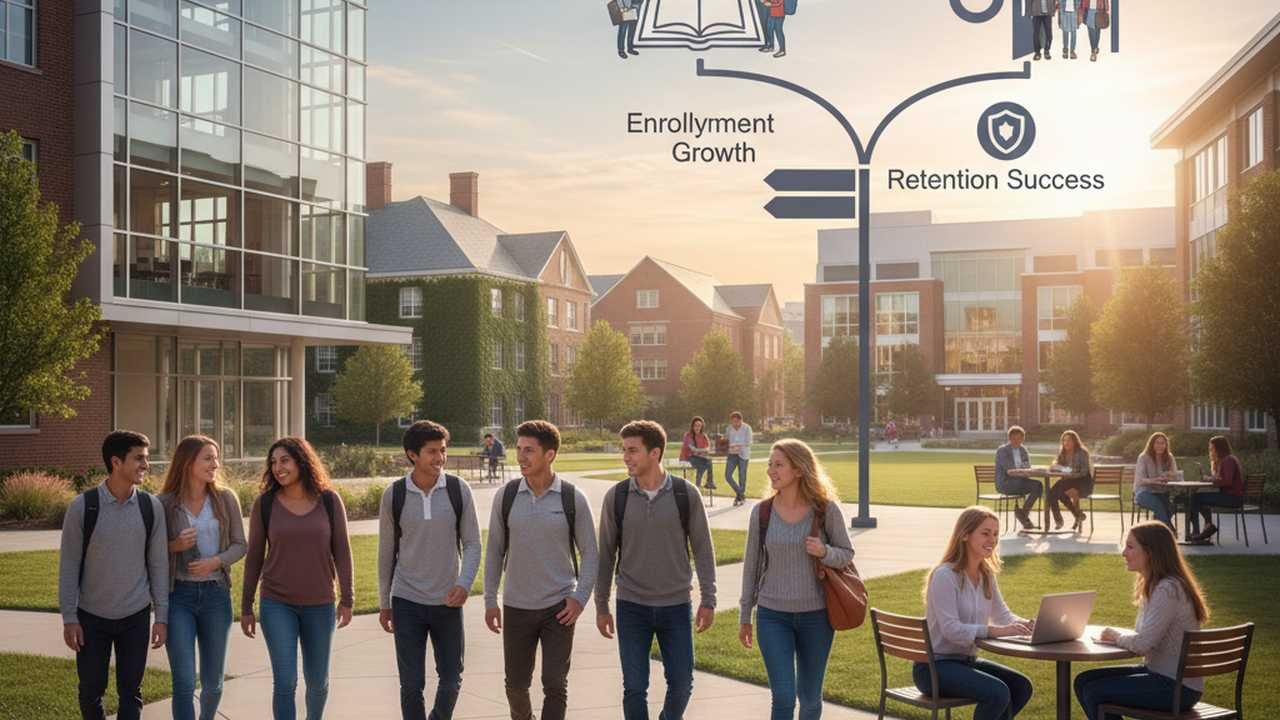
In the fiercely competitive landscape of higher education, institutions must adopt innovative strategies to not only attract prospective students but also ensure their success and retention. The urgency to implement effective enrollment and retention strategies has never been more critical, as institutions face declining enrollment numbers and increased competition. This article delves into proven methods that can transform your institution’s approach, fostering a thriving academic community.
Understanding the Enrollment and Retention Challenge
The landscape of higher education is undergoing significant transformations. Factors such as demographic shifts, economic constraints, and evolving student expectations are influencing enrollment and retention rates. Institutions that fail to adapt to these changes risk declining student numbers and diminished institutional reputation. Understanding these challenges is the first step toward implementing effective strategies that can reverse these trends and position your institution for sustained success.
Leveraging Data-Driven Marketing for Targeted Outreach
In the digital age, data-driven marketing has become an indispensable tool in higher education advertising. By analyzing prospective students’ behaviors, preferences, and engagement patterns, institutions can craft personalized marketing campaigns that resonate with their target audience. Utilizing advanced analytics allows for segmentation, enabling tailored messaging that speaks directly to the needs and aspirations of potential students. This approach not only enhances the effectiveness of marketing efforts but also fosters a sense of connection and relevance among prospective students.
Enhancing the Campus Experience to Boost Retention
The campus experience plays a pivotal role in student retention. A vibrant, inclusive, and supportive campus environment can significantly influence a student’s decision to remain enrolled. Institutions should invest in creating spaces that promote social interaction, academic collaboration, and personal well-being. Organizing events, workshops, and extracurricular activities fosters a sense of community and belonging, which are crucial for student satisfaction and persistence. Moreover, providing accessible support services, such as counseling and academic advising, ensures that students have the resources they need to navigate challenges effectively.
Implementing Early Intervention Systems
Proactively identifying students at risk of disengagement or attrition is essential for timely intervention. Early warning systems that monitor academic performance, attendance, and engagement can alert faculty and staff to students who may need additional support. By addressing issues promptly, institutions can implement targeted interventions, such as tutoring, mentoring, or counseling, to assist students in overcoming obstacles and staying on track toward graduation. These proactive measures demonstrate a commitment to student success and can significantly improve retention rates.
Developing Robust Academic Support Programs
Academic challenges are a primary factor contributing to student attrition. Institutions must offer comprehensive academic support programs that cater to diverse learning needs. Tutoring services, writing centers, and study groups provide students with the assistance they require to excel academically. Additionally, faculty development programs that emphasize effective teaching strategies can enhance the overall learning experience. By fostering an environment where academic success is attainable for all students, institutions can improve retention and graduation rates.
Strengthening Financial Support and Accessibility
Financial concerns are a significant barrier to higher education access and persistence. Institutions should explore various avenues to alleviate the financial burden on students, such as offering scholarships, grants, and flexible payment plans. Transparent communication about financial aid options and providing financial literacy resources empower students to make informed decisions about their education. By prioritizing financial accessibility, institutions can attract a diverse student body and reduce financial-related attrition.
Utilizing Technology to Enhance Student Engagement
Technology has revolutionized the way students engage with their education. Implementing digital platforms that facilitate communication, collaboration, and learning can enhance the student experience. Learning management systems, mobile applications, and online forums provide students with convenient access to resources and support. Additionally, gamification and interactive content can increase student motivation and participation. Embracing technology not only meets the expectations of today’s tech-savvy students but also fosters a dynamic and engaging learning environment.
Building Strong Alumni Networks for Ongoing Support
Alumni play a crucial role in the ongoing success of higher education institutions. Establishing strong alumni networks provides current students with mentorship opportunities, career guidance, and a sense of continuity. Alumni engagement can also contribute to fundraising efforts, enhancing the institution’s financial stability. By fostering lifelong relationships with alumni, institutions can create a supportive ecosystem that benefits both current students and graduates, reinforcing the value of the educational experience.
Continuous Assessment and Adaptation of Strategies
The higher education landscape is constantly evolving, necessitating continuous assessment and adaptation of enrollment and retention strategies. Institutions should regularly collect and analyze data on student satisfaction, academic performance, and post-graduation outcomes to evaluate the effectiveness of their initiatives. Feedback mechanisms, such as surveys and focus groups, provide valuable insights into areas for improvement. By remaining agile and responsive to changing needs and circumstances, institutions can sustain and enhance their enrollment and retention efforts.
If you want to explore effective methods to enhance student outcomes, consider how modified education can play a vital role in promoting mental health and academic success.
If you are looking for effective ways to enhance student wellbeing, exploring resources like pa educator net can provide valuable strategies for academic success and mental health support.