

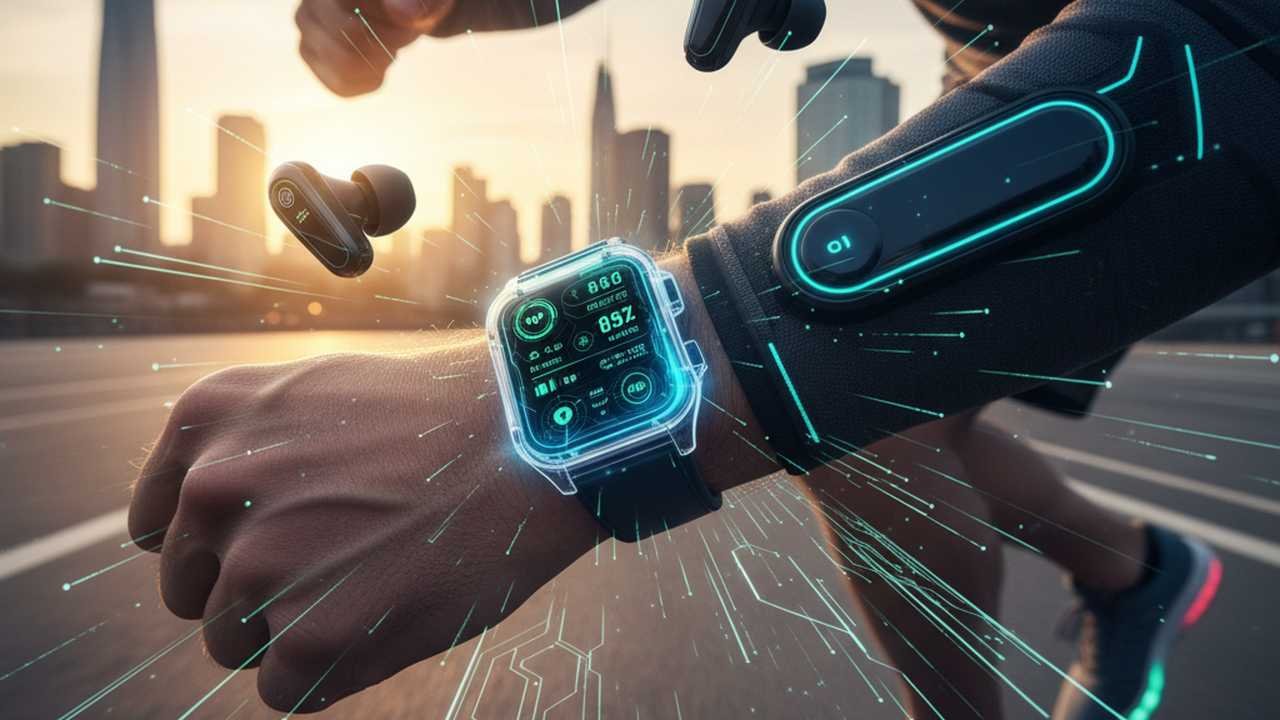
In 2025, the landscape of health and fitness has been irrevocably transformed by cutting-edge wearable technologies. These devices are no longer mere accessories; they are lifelines, offering real-time insights into our bodies and empowering us to take control of our well-being like never before. If you’re not already integrating these innovations into your daily routine, you’re falling behind. The future of health is now, and it’s wearable.
The Rise of AI-Powered Health Monitoring
Artificial Intelligence (AI) has become the cornerstone of modern wearable devices, enabling them to offer personalized health insights that were once the realm of science fiction. Devices like the Google Pixel Watch 4 and the WHOOP 5.0 utilize advanced AI algorithms to analyze data from various sensors, providing users with actionable feedback on their health metrics. These AI-driven insights help users optimize their workouts, monitor stress levels, and even predict potential health issues before they become critical. The integration of AI into wearables signifies a paradigm shift from reactive to proactive healthcare, allowing individuals to make informed decisions about their health in real-time.
Beyond fitness tracking, AI-powered wearables are revolutionizing disease prevention and management. For instance, the WHOOP 5.0’s Stress Monitor feature tracks daily stress levels through heart rate variability and resting heart rate measurements, offering a personalized Stress Score. This data empowers users to adjust their routines and lifestyle choices to mitigate stress, a leading factor in many chronic diseases. Similarly, the integration of AI in devices like the Google Pixel Watch 4 enhances sleep tracking capabilities, providing users with insights into their sleep patterns and suggesting improvements for better rest and recovery. The convergence of AI and wearable technology is paving the way for a future where health management is seamlessly integrated into our daily lives.
Non-Invasive Glucose Monitoring: A Game Changer for Diabetics
Continuous glucose monitoring (CGM) has long been a critical tool for individuals with diabetes. However, traditional CGM systems often involve invasive procedures that can be uncomfortable and cumbersome. In 2025, a groundbreaking advancement has emerged: non-invasive glucose monitoring through wearable devices. Researchers have developed a wearable optical sensor watch that integrates surface plasmon resonance (SPR) technology with functionalized silver-coated silicon nanowires to detect glucose levels in sweat. This innovative approach allows for real-time, non-invasive glucose monitoring, providing diabetics with a more comfortable and convenient method to manage their condition.
The implications of this technology extend beyond diabetes management. Non-invasive glucose monitoring opens the door to continuous health monitoring for a broader population, enabling early detection of metabolic disorders and facilitating personalized health interventions. As this technology continues to evolve, it holds the potential to revolutionize preventive healthcare, offering individuals the tools to monitor and manage their health proactively without the need for invasive procedures.
Smart Sportswear: The Future of Fitness Apparel
Imagine wearing your workout gear and having it simultaneously monitor your performance, detect muscle imbalances, and provide real-time feedback to enhance your training. This is the promise of smart sportswear, a burgeoning field in wearable technology. Researchers have developed AI-driven smart sportswear that integrates textile strain sensors with wireless deep learning frameworks to assess exercise execution quality. This technology can detect breathing irregularities and asymmetric muscle exertion, providing users with insights to improve their workout efficiency and prevent injuries.
The integration of smart sensors into everyday apparel marks a significant leap forward in personalized fitness. These garments not only track basic metrics like steps and calories but also offer detailed analyses of movement patterns, posture, and muscle engagement. By providing real-time feedback, smart sportswear empowers users to optimize their workouts, enhance performance, and reduce the risk of injury. As this technology becomes more accessible, it has the potential to transform the way individuals approach fitness, making personalized training more intuitive and effective.
Wearable ECG Monitors: Early Detection Saves Lives
Cardiovascular diseases remain a leading cause of death worldwide, underscoring the importance of early detection and continuous monitoring. Wearable ECG monitors have emerged as vital tools in this regard, enabling individuals to track their heart health in real-time. Devices like the WHOOP 5.0 and the Samsung Bio Processor integrate ECG functionality, allowing users to detect irregular heart rhythms and other potential issues before they escalate into serious conditions.
The ability to monitor heart health continuously provides users with valuable insights into their cardiovascular well-being. Early detection of irregularities can lead to timely interventions, potentially preventing severe health events such as heart attacks or strokes. Moreover, the integration of ECG monitoring into wearable devices eliminates the need for cumbersome equipment or frequent visits to healthcare facilities, making heart health monitoring more accessible and convenient. As these devices become more prevalent, they have the potential to significantly reduce the incidence of cardiovascular diseases through proactive management and early intervention.
AI Health Coaches: Personalized Wellness at Your Fingertips
Personalized health coaching has traditionally been a luxury reserved for the few. However, with the advent of AI-powered health coaches integrated into wearable devices, personalized wellness guidance is now accessible to the masses. Devices like the Google Pixel Watch 4 feature Gemini AI integration, offering users a virtual health coach that provides tailored advice on fitness, nutrition, and overall well-being. These AI health coaches analyze data from various sensors to offer personalized recommendations, helping users achieve their health goals more effectively.
The integration of AI health coaches into wearable devices represents a significant advancement in personalized healthcare. By leveraging data from sensors and user inputs, these virtual coaches can provide real-time feedback and adjustments to fitness and wellness plans. This level of personalization ensures that users receive guidance that is specifically tailored to their individual needs and goals, enhancing the effectiveness of health interventions. As AI technology continues to evolve, the capabilities of these virtual health coaches are expected to expand, offering even more comprehensive and nuanced wellness support.
Advanced Sleep Tracking: Unlocking the Secrets of Rest
Quality sleep is fundamental to overall health, yet many individuals struggle to achieve restful sleep. Advanced sleep tracking technologies integrated into wearable devices are providing users with deeper insights into their sleep patterns, enabling them to make informed adjustments to improve sleep quality. Devices like the Google Pixel Watch 4 utilize advanced sensors to monitor various sleep stages, providing detailed analyses of sleep cycles and offering personalized recommendations to enhance rest and recovery.
Understanding the intricacies of sleep patterns allows individuals to identify factors that may be disrupting their rest, such as environmental conditions, stress levels, or lifestyle habits. By addressing these factors, users can implement strategies to improve sleep quality, leading to better physical and mental health. The integration of advanced sleep tracking into wearable devices empowers users to take control of their sleep health, promoting overall well-being and enhancing daily performance. As research in sleep science continues to advance, wearable devices are expected to offer even more precise and actionable insights into sleep health.
Seamless Integration with Healthcare Systems
The future of wearable technology extends beyond individual use; it encompasses integration with broader healthcare systems to facilitate comprehensive health management. Wearable devices are increasingly being designed to communicate with healthcare providers, enabling real-time sharing of health data for more informed decision-making. This seamless integration allows for continuous monitoring of patients’ health metrics, facilitating early detection of potential issues and timely interventions.
By integrating wearable technology with healthcare systems, providers can offer more personalized and proactive care. Continuous monitoring enables healthcare professionals to track patients’ health status between visits, identifying trends and potential concerns that may require attention. This approach not only enhances patient outcomes but also improves the efficiency and effectiveness of healthcare delivery. As wearable technology continues to evolve, its integration into healthcare systems is expected to become more prevalent, transforming the landscape of medical care.
The Urgency of Adoption: Don’t Fall Behind
The rapid advancements in wearable technology are reshaping the health and fitness landscape, offering unprecedented opportunities for individuals to monitor and improve their well-being. However, those who fail to adopt these innovations risk falling behind in the pursuit of optimal health. Wearable devices are no longer optional; they are essential tools for proactive health management. Delaying the integration of these technologies into your daily routine means missing out on the benefits of personalized health insights, early disease detection, and enhanced fitness performance.
Embracing wearable technology is not merely about keeping up with trends; it’s about taking control of your health and making informed decisions that can lead to a longer, healthier life. The devices and technologies discussed in this article are at the forefront of a health revolution, and early adoption ensures that you remain ahead of the curve. Don’t wait for the future to arrive – make it yours today by integrating wearable technology into your lifestyle and reaping the benefits of a healthier tomorrow.