

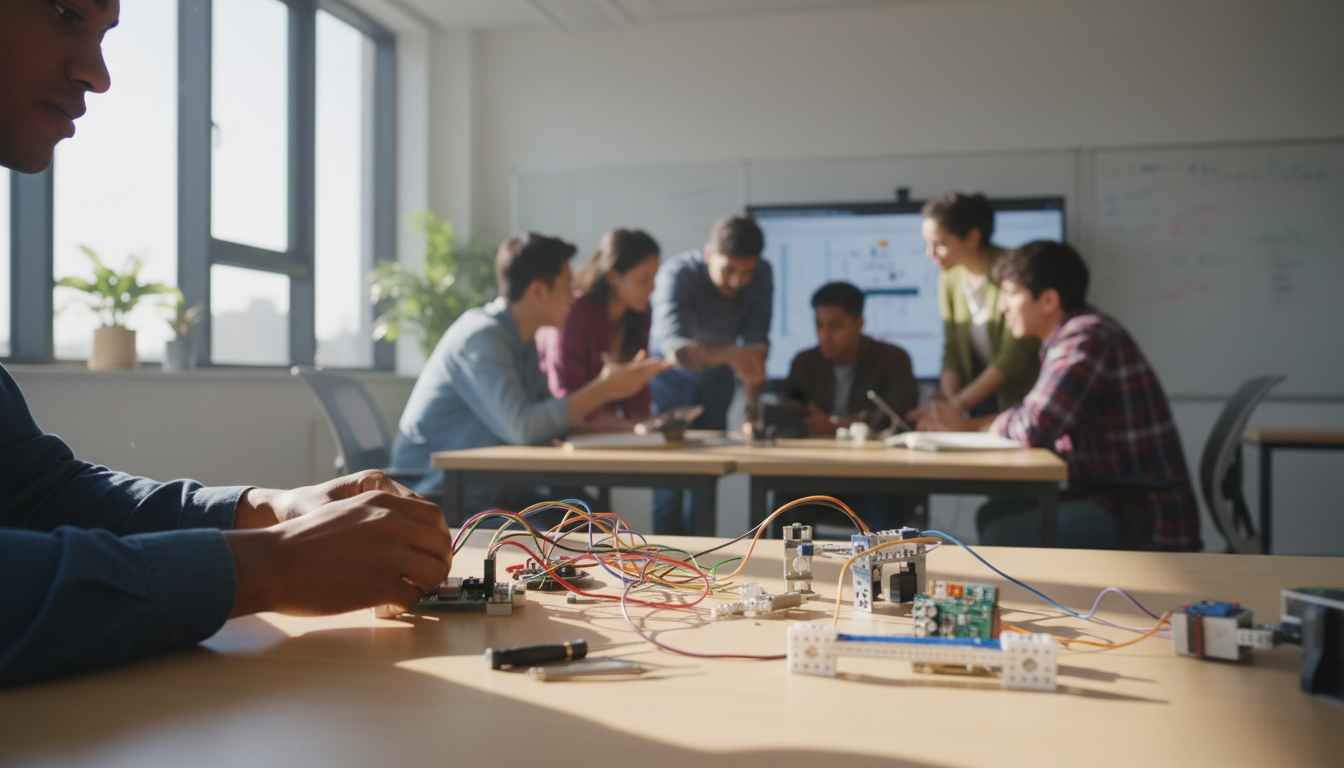
In today’s rapidly evolving educational landscape, traditional teaching methods are being swiftly overshadowed by innovative approaches that place students at the heart of the learning process. Active learning has emerged as a transformative strategy, compelling students to engage directly with the material, collaborate with peers, and take ownership of their learning journey. This paradigm shift not only fosters deeper understanding but also cultivates critical thinking and problem-solving skills essential for success in the modern world.
The Power of Active Learning: A Paradigm Shift in Education
Active learning is more than just a buzzword – it’s a fundamental reimagining of how education can and should function. Unlike passive learning, where students are mere recipients of information, active learning transforms them into active participants. Imagine a classroom where students don’t just listen to lectures but engage in discussions, solve real-world problems, and collaborate on projects that mirror the complexities of the outside world. This approach ignites curiosity, enhances retention, and prepares students for the challenges of the future.
Research underscores the efficacy of active learning. Studies have shown that students in active learning environments outperform their peers in traditional settings, demonstrating higher retention rates and improved critical thinking abilities. This isn’t just theoretical; it’s a proven model that has been successfully implemented across various educational levels and disciplines. The shift towards active learning is not just a trend – it’s a necessity for preparing students for the demands of the 21st century.
Strategies to Foster Active Learning
Implementing active learning requires intentional strategies that encourage student participation and engagement. One effective method is the flipped classroom model, where traditional lecture content is delivered outside of class, and in-class time is dedicated to interactive activities. This approach allows students to engage with the material at their own pace and come to class ready to apply their knowledge in collaborative settings.
Another powerful strategy is project-based learning (PBL), where students work on complex, real-world problems over an extended period. PBL encourages critical thinking, creativity, and collaboration, as students must research, plan, and execute projects that have tangible outcomes. This method not only deepens understanding but also enhances skills that are highly valued in the workforce.
Incorporating technology can further enhance active learning. Tools like interactive simulations, online discussion platforms, and collaborative document editing enable students to engage with the material in dynamic ways. These technologies also facilitate collaboration among students, regardless of their physical location, fostering a global learning community.
Creating a Collaborative Learning Environment
Collaboration is at the core of active learning. By working together, students can share diverse perspectives, challenge each other’s ideas, and build upon each other’s strengths. Group activities, peer reviews, and collaborative projects not only enhance learning but also develop essential interpersonal skills such as communication, teamwork, and conflict resolution.
To maximize the benefits of collaboration, it’s crucial to establish clear roles and responsibilities within groups. Assigning specific tasks ensures accountability and allows students to contribute meaningfully to the group’s objectives. Regular check-ins and feedback sessions can also help maintain focus and address any challenges that arise during the collaborative process.
Creating a supportive and inclusive environment is equally important. Encouraging open dialogue, respecting diverse viewpoints, and fostering a culture of mutual respect can help students feel valued and motivated to participate actively. When students feel safe and supported, they are more likely to take risks, share ideas, and engage deeply with the learning process.
Incorporating Real-World Applications
Connecting classroom learning to real-world applications bridges the gap between theory and practice. When students see the relevance of what they’re learning, they are more likely to be engaged and motivated. Incorporating case studies, industry projects, and guest speakers from relevant fields can provide students with insights into how their learning applies outside the classroom.
Internships and service learning opportunities offer students hands-on experience in real-world settings, allowing them to apply their knowledge and skills in practical situations. These experiences not only enhance learning but also provide valuable insights into potential career paths and professional environments.
By integrating real-world applications into the curriculum, educators can help students understand the significance of their studies and inspire them to pursue their academic and professional goals with greater enthusiasm and determination.
Utilizing Technology to Enhance Engagement
In the digital age, technology plays a pivotal role in enhancing student engagement. Interactive tools and platforms can make learning more dynamic and accessible. For instance, virtual reality (VR) and augmented reality (AR) can immerse students in simulations that bring abstract concepts to life, providing experiential learning opportunities that were previously unimaginable.
Learning management systems (LMS) facilitate communication, organization, and access to resources, enabling students to engage with course materials and collaborate with peers seamlessly. Online forums, discussion boards, and multimedia content can cater to diverse learning styles and preferences, making learning more personalized and inclusive.
However, it’s essential to ensure that technology is used purposefully and thoughtfully. Over-reliance on digital tools can lead to disengagement and distraction. Educators should strive to balance technology with traditional teaching methods, ensuring that it enhances rather than detracts from the learning experience.
Assessing and Reflecting on Learning
Assessment is an integral component of the learning process. Moving beyond traditional exams and quizzes, formative assessments such as peer evaluations, self-assessments, and reflective journals can provide deeper insights into student learning and development. These assessments encourage students to think critically about their learning, identify areas for improvement, and take ownership of their educational journey.
Regular feedback is crucial in this process. Constructive feedback helps students understand their strengths and areas for growth, guiding them towards continuous improvement. It’s important to create a feedback-rich environment where students feel comfortable seeking and receiving feedback, viewing it as a tool for growth rather than criticism.
Reflection activities, such as group discussions and individual reflections, allow students to consolidate their learning, make connections between concepts, and apply their knowledge to new situations. These activities promote metacognition, helping students become more aware of their thinking processes and learning strategies.
Overcoming Challenges in Active Learning
Implementing active learning is not without its challenges. Resistance to change, limited resources, and time constraints can hinder the adoption of active learning strategies. However, these challenges can be overcome with thoughtful planning and support.
Professional development opportunities for educators can equip them with the skills and knowledge needed to implement active learning effectively. Collaborating with colleagues, sharing resources, and seeking mentorship can provide valuable support and encouragement.
Securing administrative support is also crucial. Demonstrating the benefits of active learning through research and evidence can help gain buy-in from school leaders and policymakers. Additionally, advocating for adequate resources, such as technology and training, can facilitate the successful implementation of active learning initiatives.
By addressing these challenges proactively, educators can create an environment conducive to active learning, ensuring that all students have the opportunity to engage meaningfully with their education.
Conclusion: Embracing the Future of Education
The shift towards active learning represents a fundamental change in how education is approached. By placing students at the center of the learning process, educators can foster deeper engagement, critical thinking, and a lifelong love of learning. Implementing strategies such as collaborative projects, real-world applications, and technology integration can enhance the learning experience and prepare students for the complexities of the modern world.
As we look to the future, it’s essential to continue exploring and adopting innovative teaching methods that prioritize student engagement and success. Active learning is not just a trend – it’s the future of education. Embracing this approach can transform classrooms into dynamic, interactive environments where students thrive and achieve their full potential.
If you want to boost student numbers and keep them engaged, exploring innovative higher education advertising strategies can make all the difference.