

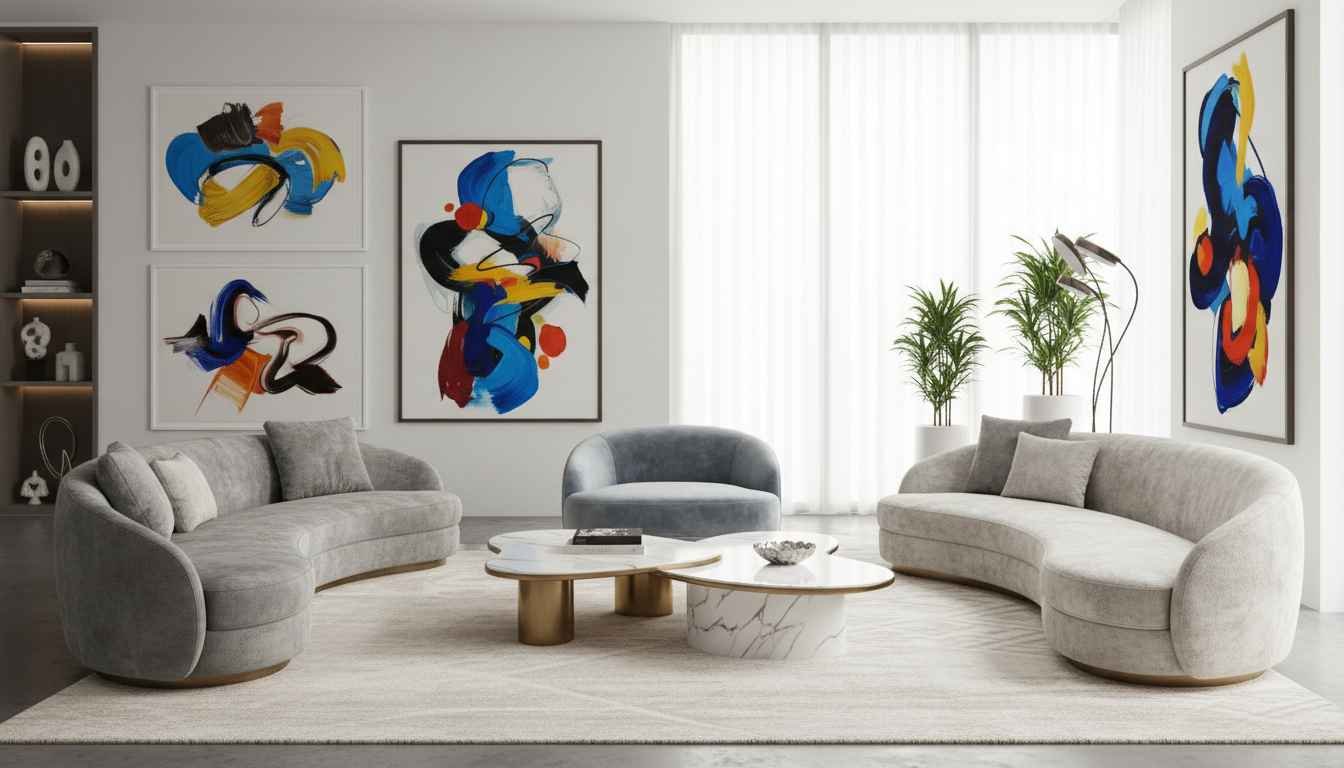
85% of homeowners report a heightened sense of sophistication and creativity after incorporating abstract forms into their living spaces. Abstract form in interior design is not merely a trend; it is a language of shape, texture, and spatial rhythm that elevates an interior from ordinary to extraordinary. For those seeking a balance between artistic expression and functional living, understanding the principles behind abstract design is essential.
At its core, abstract form in interior design prioritizes shapes, lines, and textures over literal representation. It invites imagination, encourages visual exploration, and allows designers and homeowners to convey personality through the subtle manipulation of space and structure. Unlike traditional decorative styles that emphasize symmetry and pattern, abstract forms thrive on asymmetry, unexpected angles, and dynamic layering of materials.
The concept extends beyond furniture or wall art; it encompasses architectural details, lighting, textiles, and even color palettes. When executed thoughtfully, abstract design transforms a room into an immersive experience where each element interacts harmoniously yet unpredictably with the surrounding space. This is why leading design studios, such as Amber Interiors, have popularized abstract interiors for their ability to combine sophistication with a sense of avant-garde charm.
Understanding the Principles of Abstract Form
Before implementing abstract elements, it is crucial to grasp the foundational principles. Abstract form in interior design relies on three main aspects: geometry, proportion, and contrast. Geometry explores unconventional shapes and structural variations, while proportion ensures that even the most radical forms maintain visual balance. Contrast introduces tension through juxtaposition of textures, colors, and materials, providing a layered depth that engages the senses.
Light plays a pivotal role as well. Abstract interiors often rely on natural and artificial lighting to highlight contours and shadows, enhancing the perception of form. Materials like glass, metal, and layered wood contribute to reflective surfaces that amplify spatial dynamics. The careful interplay of these elements results in interiors that feel simultaneously deliberate and spontaneous, a hallmark of luxurious design.
History of Abstract Form in Interior Design
The roots of abstract form in interior design trace back to early 20th-century art movements such as Cubism, Futurism, and De Stijl. Designers began moving away from classical representation toward geometric abstraction, emphasizing simplicity and functional artistry. Mid-century modern design further embraced these principles, integrating clean lines, modular structures, and abstract motifs into residential spaces. By the 1980s and 1990s, postmodernism allowed for more playful interpretations, blending bold shapes and unexpected materials.
This historical perspective is crucial for understanding how abstract forms have evolved to signify both sophistication and creative freedom. Modern designers draw on this legacy, merging timeless structural ideas with contemporary technology and materials to create interiors that are both visually striking and inherently livable.
Implementing Abstract Form in Your Space
Applying abstract form in interior design requires strategic planning. Start with a focal point, such as an abstract sculpture, statement lighting, or an angular furniture piece. From there, extend the theme subtly through complementary elements like textured rugs, asymmetrical shelving, or layered wall panels. The key is balance: even the most abstract designs need cohesion to avoid visual chaos.
Color also plays a critical role. While monochromatic schemes can emphasize form and shadow, strategic pops of bold color can highlight geometric features. Similarly, mixing materials – marble with metal, velvet with concrete – creates tactile contrast that enhances the abstract effect. Avoid overcrowding; abstract interiors thrive on breathing room, allowing each element to stand out while contributing to the overall composition.
Best For / Not Recommended For
Best For: Individuals who appreciate artistic expression and enjoy curated, visually engaging spaces. Ideal for homeowners looking to elevate their interiors into luxurious, gallery-like environments. Those who value flexibility in layout and enjoy experimenting with furniture and decor arrangements will find abstract forms highly rewarding.
Not Recommended For: Those who prefer minimalistic or highly traditional interiors may find abstract forms overwhelming. Families with young children or high-traffic areas where delicate shapes and unconventional furniture could be impractical should approach with caution. Abstract design demands thoughtful maintenance and a careful selection of durable materials.
Potential Drawbacks and Considerations
While abstract forms offer unmatched visual impact, they come with potential drawbacks. Overly complex designs can make a room feel cluttered, and misaligned proportions may disrupt spatial harmony. Additionally, abstract furniture or décor can be more expensive due to custom fabrication or designer sourcing. Lighting, a critical component for emphasizing form, may require additional investment in fixtures or installation to achieve the desired effect.
Homeowners should also consider personal lifestyle compatibility. Abstract interiors often require a curated approach to storage and functionality; without planning, a space may sacrifice practicality for aesthetics. Understanding these limitations allows for informed design choices that maintain both beauty and usability.
How to Integrate Abstract Art and Decor
Abstract art is a natural extension of abstract form in interior design. Large-scale paintings, sculptural wall pieces, and avant-garde furniture can anchor a room while creating a dialogue with the surrounding elements. Placement is key: central walls, corner nooks, or entryways are ideal spots to showcase a statement piece. Layering smaller abstract items around a larger focal point reinforces thematic coherence without overwhelming the space.
Textiles and accessories also contribute to the abstract aesthetic. Patterned cushions, geometric rugs, and unconventional lighting fixtures can echo the shapes and lines of larger structural elements. When thoughtfully combined, these details create a sense of cohesion and luxury that defines high-end abstract interiors.
Abstract Form for Commercial Interiors
Abstract design is not limited to residential spaces. Luxury hotels, boutique stores, and corporate offices increasingly adopt abstract forms to create memorable environments. In commercial settings, abstract structures can guide traffic flow, frame key displays, or provide visual breaks in otherwise functional areas. The dynamic interplay of shapes and materials also enhances brand identity, conveying innovation and exclusivity.
For designers and businesses, abstract interiors offer an opportunity to stand out. The strategic use of lighting, reflective surfaces, and asymmetrical arrangements can make a lasting impression on clients and guests, reinforcing a commitment to forward-thinking aesthetics.
Conclusion
Abstract form in interior design is a sophisticated approach that transforms spaces into immersive, artistic experiences. Its power lies in the deliberate interplay of shape, texture, and light, offering both visual intrigue and functional elegance. By understanding the history, principles, and practical applications of abstract design, homeowners and designers can create interiors that feel exclusive, expressive, and timeless.
Whether implementing a single sculptural piece or designing an entire space around abstract concepts, the possibilities are as boundless as the imagination. By balancing aesthetic ambition with functional needs, abstract form becomes more than decoration; it becomes a statement of style, intellect, and creative vision.