

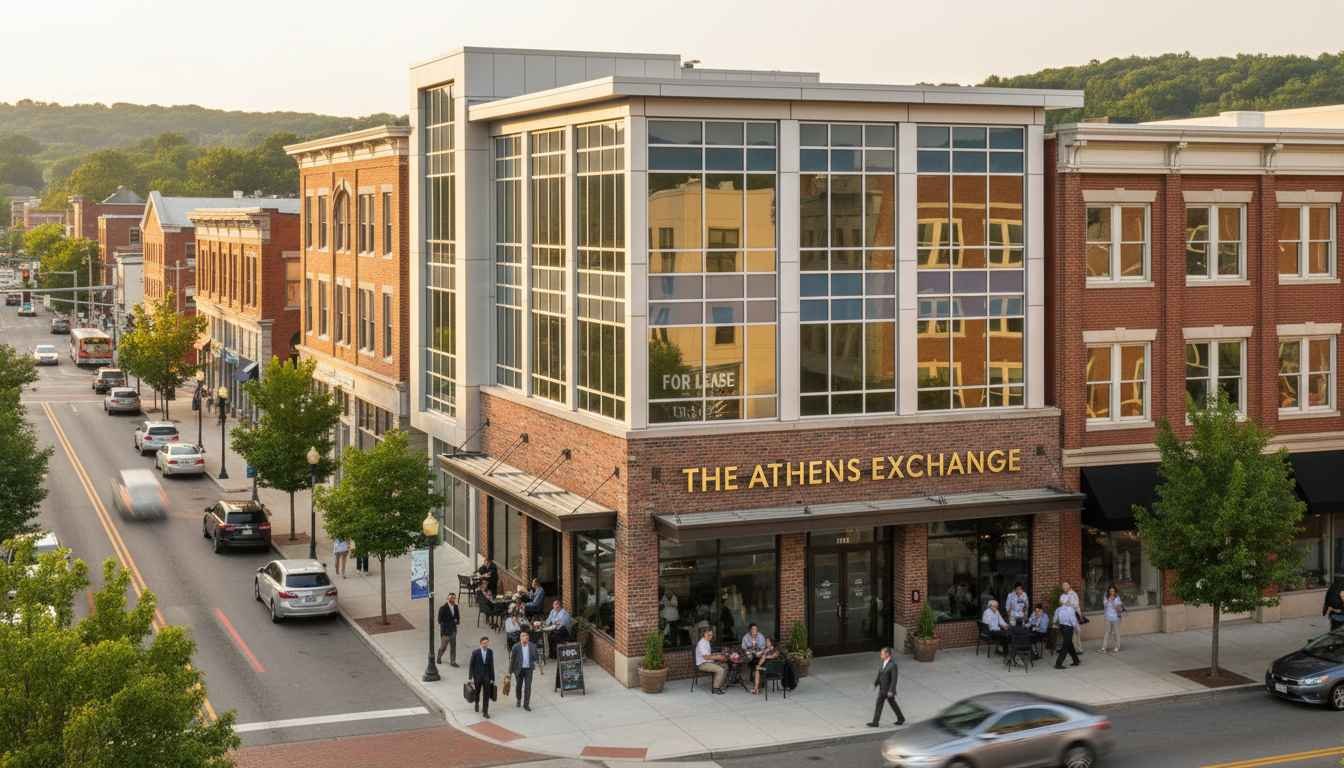
The early bird catches the worm. In Athens, Ohio, the commercial real estate landscape is quietly evolving, presenting opportunities that forward-thinking investors cannot afford to ignore. As home to Ohio University, Athens combines a stable population of students with a growing demand for retail, office, and mixed-use properties. This dual dynamic creates a unique market where long-term strategies and immediate gains must be balanced with precision and insight.
Over the next decade, commercial real estate in Athens is likely to experience shifts influenced by demographic trends, local government initiatives, and technological advancements in building management and design. The presence of an academic institution fosters not only a transient consumer base but also a hub for startups, research initiatives, and community-focused enterprises. These factors combine to shape a market that is simultaneously conservative and ripe for innovation.
Investors exploring Athens Ohio commercial real estate must consider both the traditional sectors – retail, office, and industrial – and emerging niches such as co-working spaces, technology incubators, and sustainable developments. The city’s zoning regulations and incentives for redevelopment make it particularly attractive for adaptive reuse projects, converting historic structures into modern office or retail spaces while preserving the town’s architectural heritage.
Reality Check: Expectation vs Reality
Expectation often paints Athens as a small, predictable college town where commercial investments are safe but limited. Reality reveals a more nuanced picture. While student-driven demand for rentals and retail is strong, competition for prime locations is intensifying. Market growth is steady rather than explosive, and properties with innovative uses – such as tech-enabled co-working hubs or mixed-use residential-retail buildings – tend to outperform traditional investments. Understanding this distinction is critical for realistic forecasting and strategic planning.
Office space demand in Athens reflects broader trends in remote work and hybrid models. Traditional office leases are declining in favor of flexible arrangements that cater to startups, freelancers, and university-affiliated research teams. Properties that can accommodate these flexible uses, including modular interiors, high-speed connectivity, and sustainable building systems, will likely see higher occupancy rates and stronger long-term value.
Retail commercial real estate also faces transformation. While national chain stores maintain some presence, local businesses and experience-driven concepts increasingly dominate the market. Cafes, boutique shops, and specialty services that cater to students and residents create resilient revenue streams. Investing in properties that can adapt to these evolving demands offers a hedge against market volatility.
Industrial and logistics spaces, though limited in Athens, are benefiting from regional e-commerce growth. Small-scale distribution centers and last-mile delivery hubs near transportation arteries are becoming viable investment targets. Their scalability and low-maintenance profiles provide an appealing contrast to more capital-intensive office and retail projects.
For those seeking guidance on financing options, including public housing integration or partnerships with community initiatives, resources like the Boston Housing Authority offer valuable insights into funding models and collaborative approaches. Investors can leverage these resources to ensure compliance, community alignment, and long-term sustainability of their projects.
Alternative Options
Not all investors need to target high-cost, high-risk developments. Smaller-scale commercial properties, such as neighborhood retail spaces, professional service offices, or adaptive reuse of historical buildings, present accessible entry points. These investments require lower capital, reduce exposure to market volatility, and offer opportunities for gradual appreciation. For developers with a long-term vision, mixed-use projects incorporating residential units can diversify revenue streams while meeting local housing needs.
Potential Drawbacks
Despite its opportunities, Athens Ohio commercial real estate is not without challenges. Market size is inherently limited compared to larger metropolitan areas, which can constrain growth. Seasonal demand fluctuations, driven by the academic calendar, may impact rental income for retail and hospitality properties. Additionally, zoning regulations and historic preservation requirements can complicate redevelopment projects, adding both time and cost considerations. Investors must approach the market with realistic expectations and a well-researched strategy to mitigate these risks.
Technological and Sustainable Trends
Looking ahead, technology and sustainability will be key differentiators in Athens’ commercial property market. Energy-efficient retrofits, smart building systems, and sustainable design practices will not only reduce operational costs but also appeal to environmentally conscious tenants. Technology-enabled management solutions, including remote monitoring of building systems and predictive maintenance, enhance efficiency and tenant satisfaction, positioning properties for long-term competitiveness.
Another emerging trend is the integration of community spaces within commercial developments. Retail areas, co-working hubs, and mixed-use complexes increasingly prioritize social interaction, wellness amenities, and flexible environments. Developers who embrace this philosophy can achieve higher occupancy rates, attract diverse tenants, and create properties that function as civic assets rather than mere profit centers.
Investment Outlook and Strategic Vision
The next ten years in Athens Ohio commercial real estate are likely to reward investors who combine strategic foresight with local market intelligence. Properties that embrace flexibility, sustainability, and community engagement will outperform conventional models. While steady economic growth and a stable population provide a foundation, successful investors will need to adapt to shifting tenant demands, technology integration, and regulatory frameworks.
Strategically, multi-layered investment approaches that combine short-term rental opportunities with long-term redevelopment projects can balance cash flow with capital appreciation. Partnerships with local institutions, municipal incentives, and community organizations offer additional avenues for reducing risk and enhancing project impact. Understanding these dynamics enables investors to navigate a market that is both predictable and full of potential.
In summary, Athens Ohio commercial real estate presents a landscape where vision, adaptability, and strategic planning intersect. By focusing on flexible spaces, sustainable practices, and community-oriented development, investors can capitalize on a market poised for steady evolution. Those who enter with careful research, realistic expectations, and innovative solutions will likely find Athens to be not just a college town, but a strategic hub for commercial real estate growth over the next decade.