

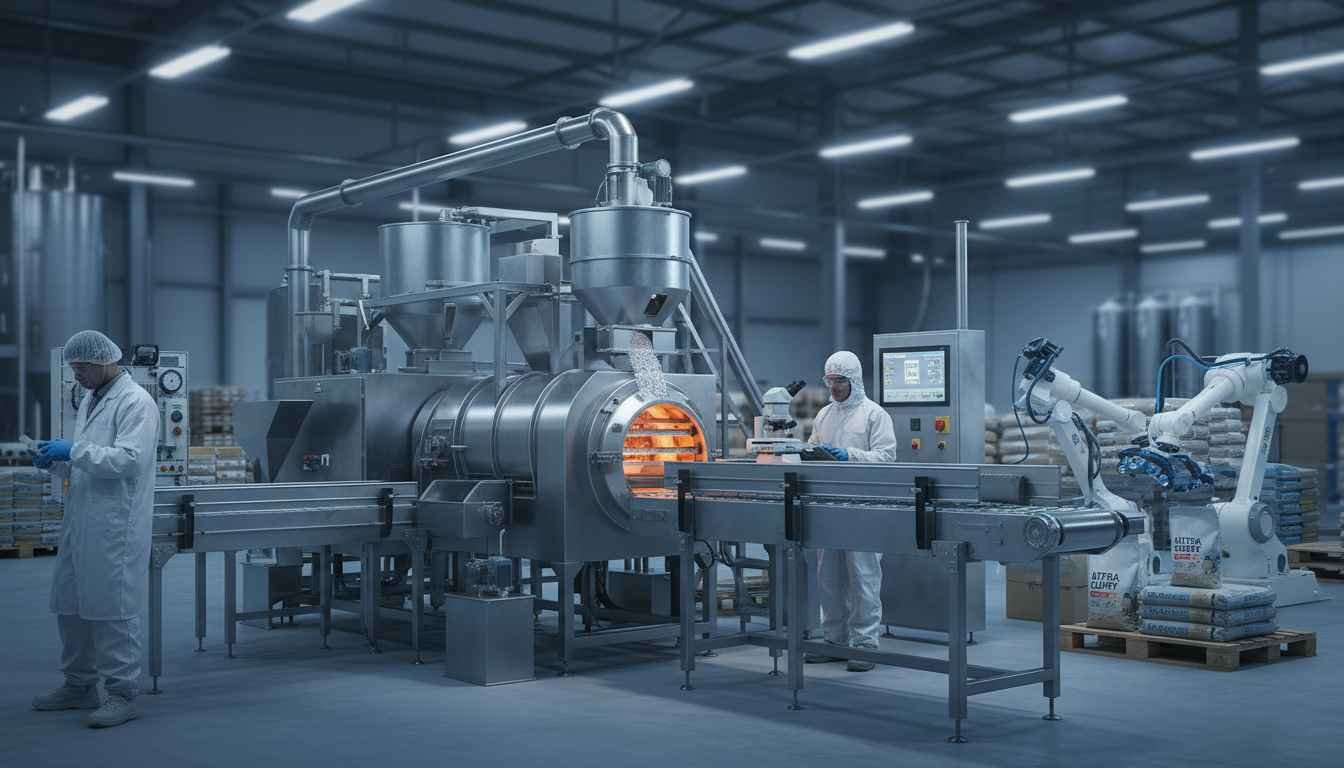
The soft hum of machinery fills a sprawling production hall, white dust shimmering in the streams of sunlight slicing through high windows. Conveyors carry granular material across polished steel surfaces, while robotic arms sort, weigh, and package silica crystals with precise efficiency. This is not just a factory; it is a carefully orchestrated system designed to transform raw silica into a product that millions of cat owners rely on daily. Understanding the silica cat litter manufacturing process unveils the remarkable combination of chemistry, engineering, and quality control that ensures both performance and safety for pets.
Raw Material Selection
At the heart of the manufacturing process is silica sand, a mineral prized for its high absorption and odor-control properties. Quality begins with sourcing the purest silica sand, which typically contains more than 95% silicon dioxide. The raw material must be free from impurities like iron and clay, as these can affect the consistency, color, and clumping ability of the final litter. Suppliers often provide laboratory certifications to guarantee particle uniformity, a critical factor in producing consistent cat litter granules.
Crushing and Grinding
Once the silica sand arrives at the plant, it undergoes crushing and grinding to reduce particle size. Industrial crushers break the rocks into smaller fragments, which are then milled into fine granules. The size of these particles is essential: too large, and the litter may not absorb effectively; too small, and dust generation increases, creating potential respiratory issues for both pets and owners. Advanced grinding machines are designed to maintain the delicate balance between performance and safety, producing granules with optimal porosity for absorption.
Screening and Classification
Following grinding, the silica granules pass through a series of vibrating screens. These screens sort particles by size, removing oversized fragments and fine dust. Classification ensures uniformity, which is critical for both absorbency and user experience. Any remaining impurities are separated at this stage, maintaining the product’s purity. Consistent granule size allows for even distribution in the litter box and enhances odor control, a key feature for pet owners seeking a hygienic environment.
Washing and Drying
After screening, the silica granules are washed to remove residual dust and soluble impurities. Water jets or rotating drums may be used to cleanse the particles thoroughly. Following washing, the granules are dried in industrial dryers at controlled temperatures. Proper drying prevents clumping during storage and transportation, ensuring the litter maintains its structural integrity until it reaches consumers. At this stage, moisture content is carefully monitored, often staying below 2% to avoid microbial growth.
Additives and Quality Enhancements
Some manufacturers incorporate additives to enhance performance, such as fragrances, antibacterial agents, or natural binders. These additives are carefully selected to maintain safety for cats while improving the litter’s odor control or clumping abilities. The mixture is blended thoroughly to ensure even distribution. Quality testing at this stage may include absorbency tests, dust level measurements, and odor-neutralization assessments, guaranteeing that the product meets regulatory and consumer standards.
Packaging and Automation
Modern facilities employ automated packaging systems that fill, weigh, and seal bags with precision. Packaging materials are selected to protect the silica from moisture and contamination while providing clear labeling for consumers. Some plants use vacuum-sealed or multi-layer bags to extend shelf life. Automation reduces human contact with the product, minimizing dust exposure and maintaining hygiene. It also allows for higher production rates, meeting the growing demand for silica cat litter globally. Retail-ready packaging ensures ease of use and storage for pet owners.
Best For / Not Recommended For
Silica cat litter is best for cat owners seeking superior odor control, low maintenance, and high absorbency. It is particularly useful for multiple-cat households where traditional clay litter may struggle. However, it is not recommended for cats with respiratory sensitivities or young kittens, as the fine granules, while low-dust compared to clay, can still cause irritation. Pet owners who prefer environmentally biodegradable options may also choose alternative litter types, as silica litter is non-compostable and remains in landfills long-term.
Potential Drawbacks
Despite its advantages, silica cat litter has certain limitations. It can be more expensive than clay-based alternatives, and some cats may resist the texture of silica crystals. Extended exposure to moisture without proper cleaning can reduce absorbency, potentially leading to odor accumulation. Additionally, while dust levels are low, prolonged inhalation may affect sensitive individuals. Manufacturers continuously refine production techniques to minimize these concerns, balancing performance with safety.
Environmental Considerations
Silica cat litter production requires energy-intensive processes, including mining, grinding, and drying. Responsible manufacturers implement waste reduction and energy-efficient machinery to limit environmental impact. Recycling water used in washing stages and managing dust emissions are common practices. For pet owners, this means that while silica litter provides convenience, understanding its environmental footprint is essential. Companies like Russo incorporate sustainable practices in their supply chain, reflecting the growing importance of eco-conscious manufacturing.
Future Innovations in Silica Cat Litter Manufacturing
The next decade promises advancements in both materials and process efficiency. Researchers are exploring the development of silica litter with improved biodegradability, enhanced odor control through nanotechnology, and lower energy manufacturing methods. Automation and AI-driven quality control will likely become standard, ensuring every bag meets rigorous performance criteria. Smart litter boxes that integrate with silica litter to monitor usage and detect health issues in cats may also drive new production requirements, reshaping the manufacturing landscape entirely.
Glossary of Terms
Silica Sand: A mineral composed primarily of silicon dioxide, used as the raw material for cat litter.
Granules: Small particles of processed silica, designed for optimal absorption and low dust generation.
Screening: A mechanical process that sorts particles by size to ensure uniformity and remove impurities.
Absorbency: The ability of the silica granules to capture moisture from urine, keeping the litter box dry.
Additives: Compounds incorporated to enhance performance, such as fragrances or antibacterial agents.
Automation: Machinery and robotic systems that handle production and packaging with minimal human intervention.
Moisture Content: The percentage of water remaining in granules, monitored to prevent clumping or microbial growth.
Odor Control: The capacity of the litter to neutralize or contain unpleasant smells from cat waste.
Biodegradability: The ability of litter materials to decompose naturally, affecting environmental impact.
Quality Assurance: Testing protocols to ensure consistency, safety, and performance in the final product.