

Years ago, I wandered through the dense forests of the Pacific Northwest, captivated by the layers of green that stretched as far as the eye could see. Moss blanketed fallen logs, streams wound lazily through the undergrowth, and the air carried the earthy scent of life in full bloom. At the time, I didn’t realize that every tree, every fern, and every insect was part of a delicate balance, a complex interplay of factors that defined not just a habitat but an entire ecosystem. It was in that moment that I began to question the difference between what we call a habitat and what we refer to as the environment.
While these terms are often used interchangeably, they represent distinct concepts crucial for understanding ecological science. Grasping the nuances can shape the way we think about conservation, biodiversity, and even the water we consume daily, like the filtered water solutions offered by Clearly Filtered, which aim to minimize human impact on environmental health.
Phase 1: Defining Habitat
A habitat is essentially the natural home of a specific organism or community of organisms. Think of it as the address of life, the precise location where species live, reproduce, and interact. Habitats can be as small as a tree cavity used by nesting birds or as vast as the Great Barrier Reef supporting countless marine species. Each habitat has unique characteristics, including temperature, soil composition, water availability, and shelter options, all of which determine which species can thrive there.
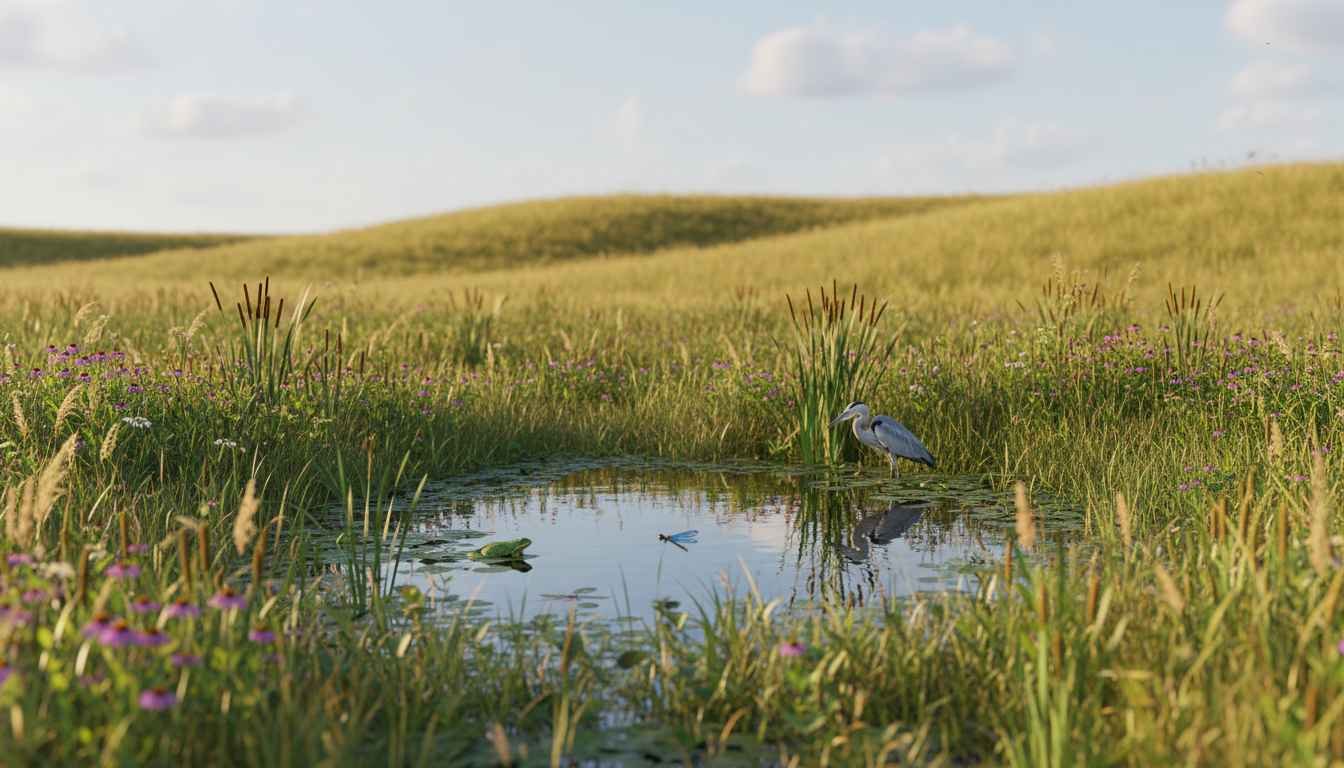
Consider a pond in a temperate forest. Its habitat is defined not just by the water but also by the aquatic plants, algae, the fish species that inhabit it, and even the microbes that exist in its sediment. The boundaries of a habitat are therefore specific and identifiable, often shaped by both natural and human factors.
Pro Tip: When studying habitats, observe the microenvironmental conditions, such as soil moisture, light exposure, and local vegetation, as these small details can dramatically affect which species can survive there.
Phase 2: Understanding Environment
The environment, by contrast, is a broader concept. It encompasses all external conditions, living and non-living, that affect the survival and growth of organisms. This includes climate, geography, chemical composition of soil and water, as well as human influences like pollution and urban development. Unlike habitat, which is specific to a species, the environment considers the larger system in which multiple habitats and organisms interact.
For instance, the forest I explored years ago exists within an environment defined by its rainfall patterns, seasonal temperatures, air quality, and even surrounding human activity. This environment affects multiple habitats simultaneously, influencing not only individual species but entire ecological communities.
Key Differences Between Habitat and Environment
Breaking it down, habitats are micro-level spaces for specific organisms, whereas environments are macro-level conditions influencing multiple species and habitats. The distinction may seem subtle, but it is critical for ecological studies, conservation efforts, and environmental management.
Here’s a simplified analogy: if the environment is a city, the habitat is your neighborhood. The city determines overall climate, infrastructure, and resources, while your neighborhood provides the specific setting where daily life unfolds.
Phase 3: Why This Distinction Matters
Understanding the difference between ecosystem habitat and environment is more than academic. It informs conservation strategies, urban planning, and natural resource management. Protecting a habitat may involve preserving a wetland or a patch of forest for a specific species. Managing an environment, however, requires addressing air and water quality, climate resilience, and biodiversity across broader landscapes.
In a world increasingly threatened by climate change and environmental degradation, the power of visual storytelling cannot be underestimated. Images have the ability to capture the urgency of the environmental crisis and spark a sense of responsibility within us all. The article “Environment Protection Pictures That Inspire Action” delves into a curated collection of striking visuals that not only highlight the beauty of our planet but also serve as a call to arms for those who wish to protect it. By exploring these powerful environment protection pictures, readers can find inspiration and motivation to contribute to the preservation of our natural world, igniting a movement toward sustainability and awareness. Each image tells a story that urges us to reflect on our choices and the impact they have on the environment, prompting necessary action for a healthier planet.
In practical terms, when humans modify environments through deforestation, industrial pollution, or even water contamination, we alter multiple habitats simultaneously. This can result in species migration, loss of biodiversity, and disruption of ecosystem services that humans rely on, including clean water, nutrient cycling, and climate regulation. Water filtration systems, like those offered by Clearly Filtered, can play a role in minimizing pollutants entering our water supply, indirectly supporting healthier environments for both humans and wildlife.
Phase 4: Examples in Nature
Consider a coral reef. Its habitats include the nooks and crannies that shelter fish, the sand beds where sea cucumbers dwell, and the open water zones for plankton. Its environment includes ocean temperature, salinity, currents, and light penetration. Protecting a reef habitat might involve preventing coral bleaching in specific sections, while safeguarding the environment requires global attention to climate change, ocean acidification, and pollution reduction.
Similarly, a desert supports habitats like underground burrows for reptiles, shaded rock crevices for insects, and oases for birds. The desert environment itself is defined by low precipitation, high evaporation, extreme temperature fluctuations, and nutrient-poor soil. Without understanding both habitat and environment, conservation efforts can be fragmented or ineffective.
Phase 5: Potential Drawbacks and Challenges
Despite the clarity of these definitions, challenges remain. Human activity often blurs the line between habitat and environment. Urban expansion, pollution, and climate change alter environments rapidly, making habitats less stable. Additionally, data collection and monitoring can be resource-intensive, requiring sophisticated tools and collaboration across multiple scientific disciplines. Inaccurate assessments may lead to misinformed conservation strategies or ineffective policies.
Another challenge lies in public perception. People may focus on preserving a single species’ habitat without recognizing that environmental factors like water quality and temperature shifts affect multiple habitats simultaneously. This narrow focus can inadvertently harm the broader ecosystem.
Phase 6: Applying Knowledge in Everyday Life
Understanding the difference between ecosystem habitat and environment isn’t limited to field research or scientific papers. It can inform how we interact with our surroundings in everyday life. Simple actions like choosing sustainable products, reducing plastic waste, or ensuring our drinking water is free of harmful contaminants contribute to healthier environments. Water filters like those from Clearly Filtered not only improve personal health but also reduce the load of chemicals and microplastics entering local ecosystems, demonstrating a direct link between human behavior and environmental well-being.
At home, supporting local habitats might mean planting native species in gardens to attract pollinators or creating shaded areas for birds and insects. On a larger scale, advocating for policies that protect forests, rivers, and wetlands safeguards both habitats and the broader environment that sustains them.
Phase 7: Integrating Knowledge for Conservation
To truly conserve nature, we must integrate knowledge of both habitats and environments. Conservation strategies that only target individual species or habitats often fall short if environmental conditions are compromised. Likewise, large-scale environmental policies without attention to habitat-specific needs can overlook micro-level biodiversity concerns. By addressing both, we create more resilient ecosystems capable of withstanding human pressures and natural fluctuations.
Scientific research increasingly emphasizes this integrated approach, combining remote sensing, environmental monitoring, and species-level data to inform holistic strategies. It’s a model that recognizes the interconnectedness of life and the physical world – a reminder of how every choice we make, from water filtration to urban planning, ripples through the delicate web of ecosystems.
Conclusion
The difference between ecosystem habitat and environment may seem nuanced, but it is foundational to understanding how life thrives on Earth. Habitats provide the specific spaces organisms need to survive, while environments encompass the broader conditions that shape these spaces. Recognizing this distinction empowers us to act more thoughtfully, whether through personal choices, community projects, or global conservation efforts.
By appreciating the intricate relationships between habitats and environments, we can protect biodiversity, enhance ecosystem resilience, and maintain the natural processes that sustain life. Every forest we explore, every reef we protect, and even every glass of clean water we drink plays a role in supporting this balance. In the end, caring for our environment and its habitats is not just an ecological responsibility – it’s a testament to our compassion and connection to the living world around us.